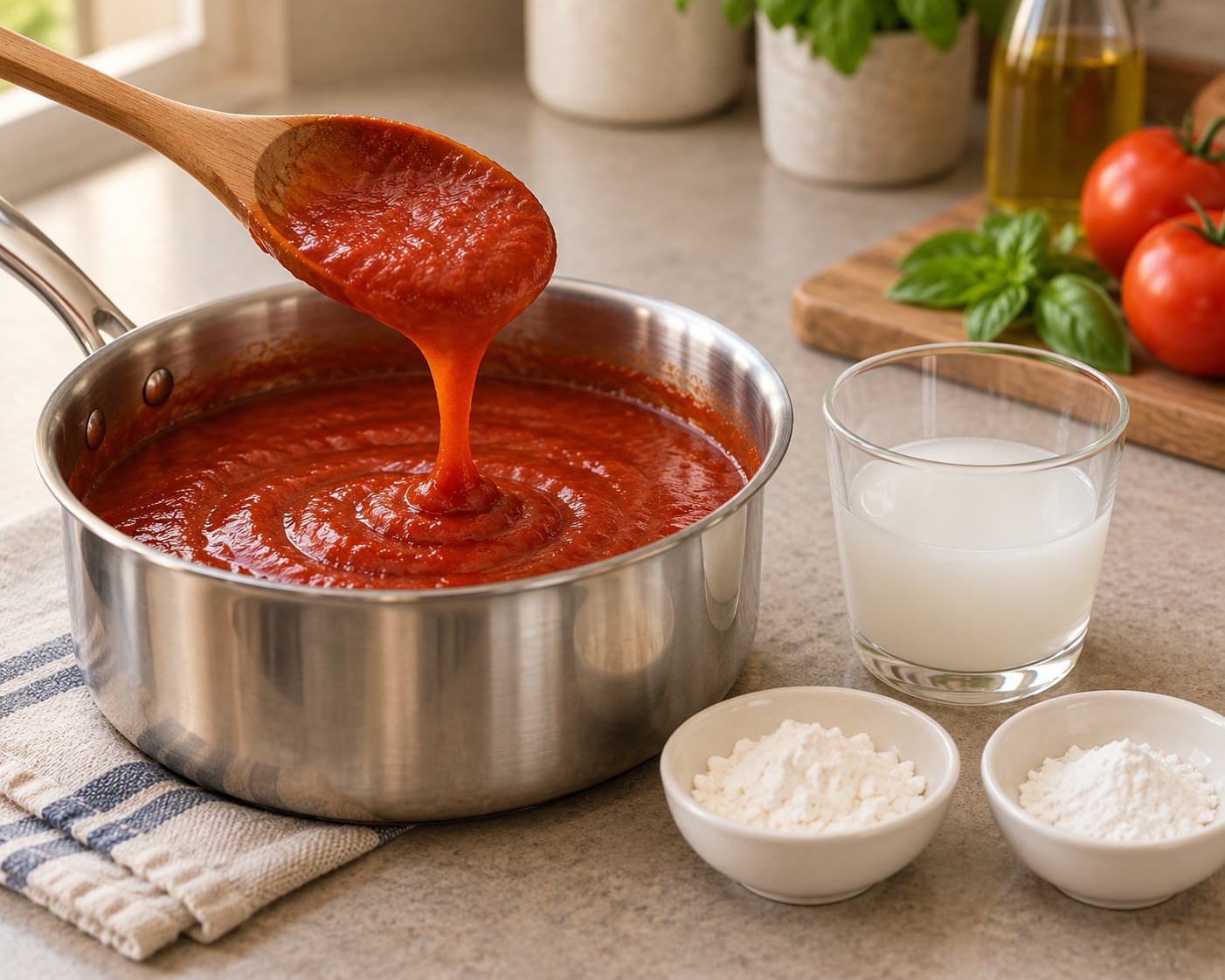
The fastest way to thicken a sauce without flour is a cornstarch slurry: mix 1 tablespoon of cornstarch with 2 tablespoons of cold water, whisk it into a simmering sauce, and let it boil for 1 minute. If you would rather skip starch entirely, simmer the sauce down to reduce it, or mount it with cold butter off the heat. All three take minutes, and you can do them to a sauce you already cooked.
This matters mostly at the last minute of cooking. A thin sauce runs off the pasta, pools in the bowl, and tastes diluted, and a raw roux stirred into finished sauce will muddy it. Knowing how to thicken a sauce without flour protects the dinner you already made.
Table of Contents
- Quick method: thicken a sauce in three steps
- What You Need
- Tools worth having within reach
- Ingredients to keep in the fridge or pantry
- Step-by-Step: how to thicken a sauce without flour
- How to Thicken Sauce with Stock or Cream
- How to Thicken Sauce with Cheese
- How to Thicken Sauce with Vegetables or Fruit
- How to Thicken Sauce with a Starch Slurry
- How to Thicken Sauce with Egg or Yolk
- How to Thicken Sauce with Cold Butter
- What to use when you have neither flour nor cornstarch
- How much thickener per cup of liquid?
- Common Mistakes
- Frequently Asked Questions
- What is the best way to thicken a sauce without flour?
- Can I thicken a sauce by boiling it longer?
- How do I thicken a creamy sauce without flour?
- How can I fix a sauce that became too thick?
- Is cornstarch considered flour when thickening a sauce?
- Can I thicken a sauce with vegetables or fruit?
- Conclusion
Quick method: thicken a sauce in three steps
- Mix 1 tablespoon of cornstarch with 2 tablespoons of cold water in a cup until completely smooth.
- Whisk the slurry into your simmering sauce a little at a time.
- Bring it back to a boil for 1 minute, stirring constantly, then taste and check the consistency.
If the sauce is still loose, add another teaspoon of slurry rather than doubling the first one. That single change is what keeps it silky instead of gummy.
What You Need
None of these methods need anything exotic. Before you start, work out which problem you actually have, because the fix differs.
- Too much liquid: the sauce tastes right but will not hold. Simmer it or add a starch slurry.
- Not enough solids: the flavour is there but the body is missing. Add cheese, cream cheese, tomato paste, nut butter, or a purée.
- Broken emulsion: the sauce has split or looks oily and watery. Cold butter or an egg yolk will pull it back together.
Tools worth having within reach
A balloon whisk is the one that matters most. A fork clumps, a spatula leaves streaks of thickener stuck to the sides. A small saucepan lets you control heat quickly, a silicone spatula scrapes the bottom clean, a microplane grates cheese into a fine cloud instead of shreds, and a fine-mesh strainer catches seeds and fibre if you are straining a purée. An immersion blender handles the puréed-vegetable method in seconds.
Ingredients to keep in the fridge or pantry
Stock or broth, heavy cream or milk, and starchy pasta water all thin-then-thicken a sauce by adding liquid and body at the same time. A wedge of Parmesan or Pecorino, cream cheese, and tomato paste cover the fat-and-solids route. Arrowroot, potato starch, and tapioca starch are direct swaps for cornstarch. For a fully starch-free kitchen: xanthan gum, chia seeds, unflavoured gelatin, agar-agar, cashews soaked and blended, nut butter, and pumpkin seeds.
Step-by-Step: how to thicken a sauce without flour
How to Thicken Sauce with Stock or Cream
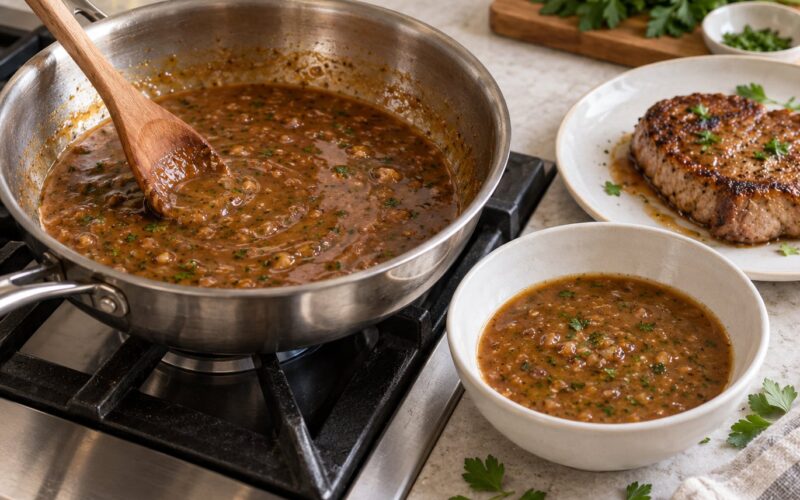
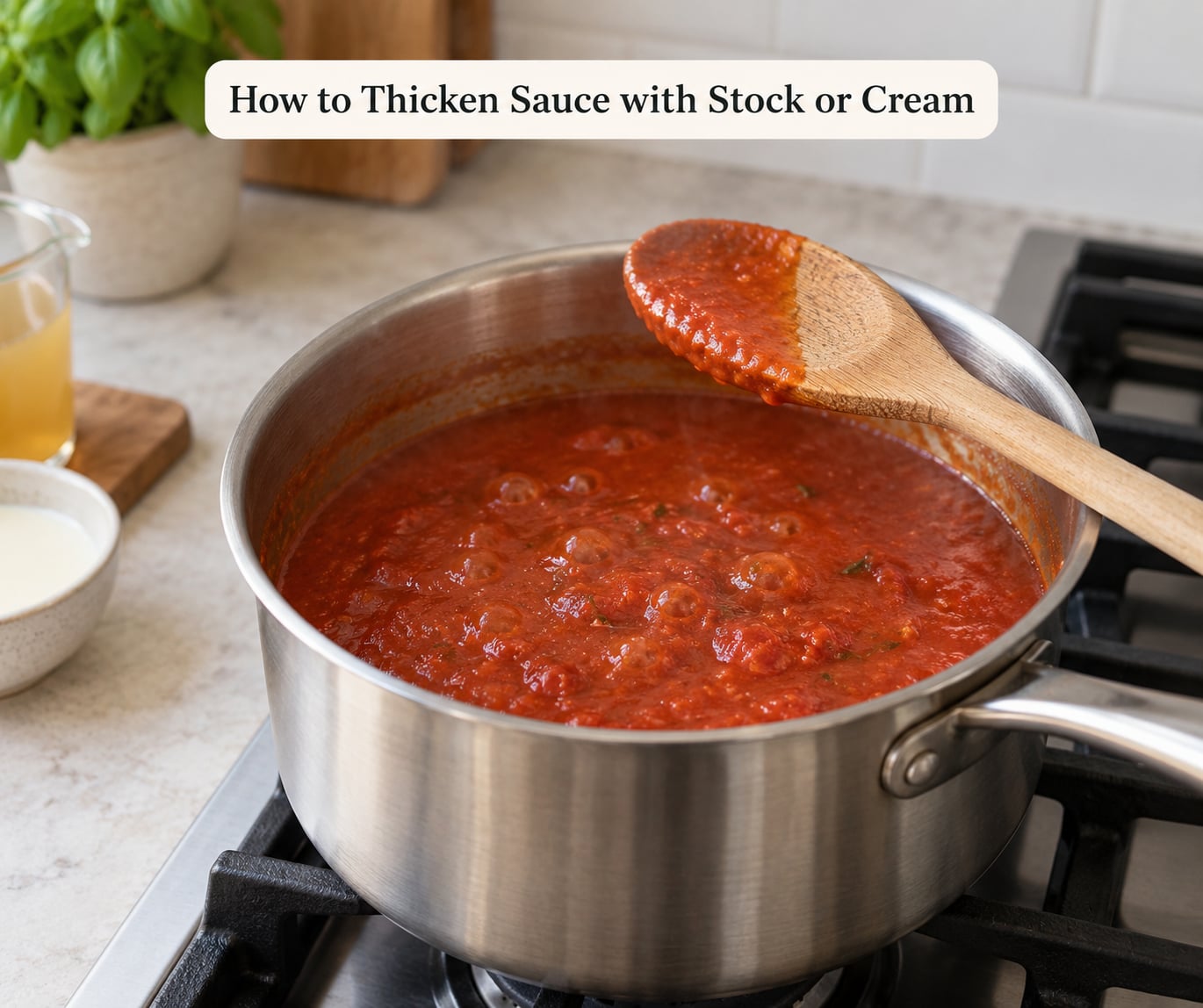
Reduction is the lowest-effort method and the one that improves flavour rather than masking it. Put the sauce in a wide pan, bring it to a bare simmer, and drop the heat to medium-low. Stir often, scrape the bottom, and let it go for 20 to 30 minutes until it coats the back of a spoon and runs off slowly. That target is called a nappe consistency, and it is the same standard a roux sauce aims for.
Wide pans evaporate faster than deep ones, and more surface area means less stirring time. Watch the liquid, not the clock: a sauce can go from glossy to scorched in under a minute once the water is mostly gone.
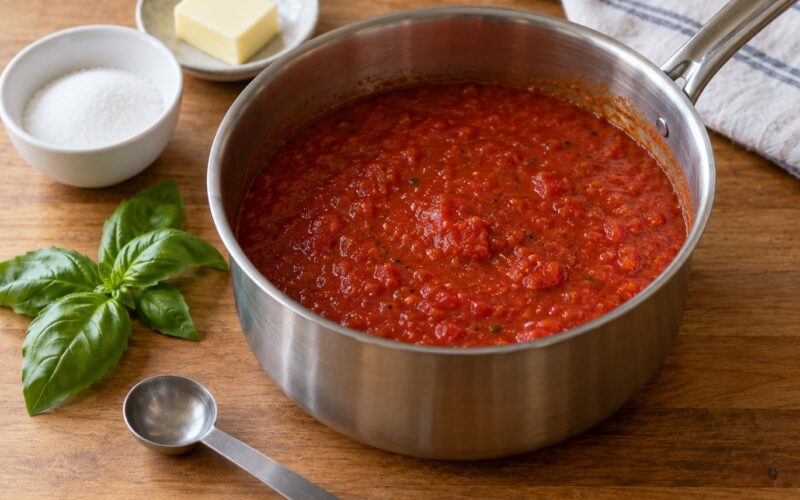
If you would rather not wait, add liquid that thickens as it cooks. Beat in an equal volume of warm stock, cream or milk and return the pan to a gentle simmer, or whisk in starchy pasta water a tablespoon at a time. For a tomato sauce, tomato paste does both jobs at once: two tablespoons stirred into a cup of sauce adds body and a deeper, sweeter flavour.
Italians rarely thicken a pasta sauce with flour or starch at all. They reduce it slowly, or they cook the vegetables down until the purée itself forms the sauce.
How to Thicken Sauce with Cheese
Cheese thickens a cream sauce because the fat and proteins in finely grated cheese emulsify into the liquid. Grate it with a microplane while the sauce is off the heat, add a handful, then whisk the pan over low heat until it melts in. Parmesan, Pecorino Romano, Grana Padano, and aged Gruyère all work well. Roughly a quarter cup per cup of sauce is a reasonable first dose, and you add more to taste.
Two things ruin it. Pre-shredded bagged cheese contains anti-caking agents such as powdered cellulose and potato starch, and it will never melt smoothly, so buy a wedge and grate it yourself. And keep the heat low, or the cheese will tighten, go stringy, and break into an oily grainy mess. Cream cheese is the gentler option: it adds tang and body with no risk of separating.
How to Thicken Sauce with Vegetables or Fruit
Cooked vegetables and fruit make a natural thickener that carries flavour with it. Roast or simmer them first, blend to a purée, then stir the purée into the sauce. Carrots, potatoes, onion, roasted red pepper, pumpkin, butternut squash, and cauliflower are the usual suspects. For fruit sauces, apples, pears, and berries work the same way once cooked soft.
Strain the purée through a fine-mesh sieve if you want a smooth, glossy sauce, or skip the straining for a rustic one that keeps some texture. Pumpkin seeds are the trick nobody writes down: toast them, blend them with a little liquid, and they thicken with a nutty, earthy depth that reads as richness rather than as a thickener.
This is the method to reach for when a sauce tastes thin because there is nothing suspended in it. It adds body, colour, and flavour in one move.
How to Thicken Sauce with a Starch Slurry
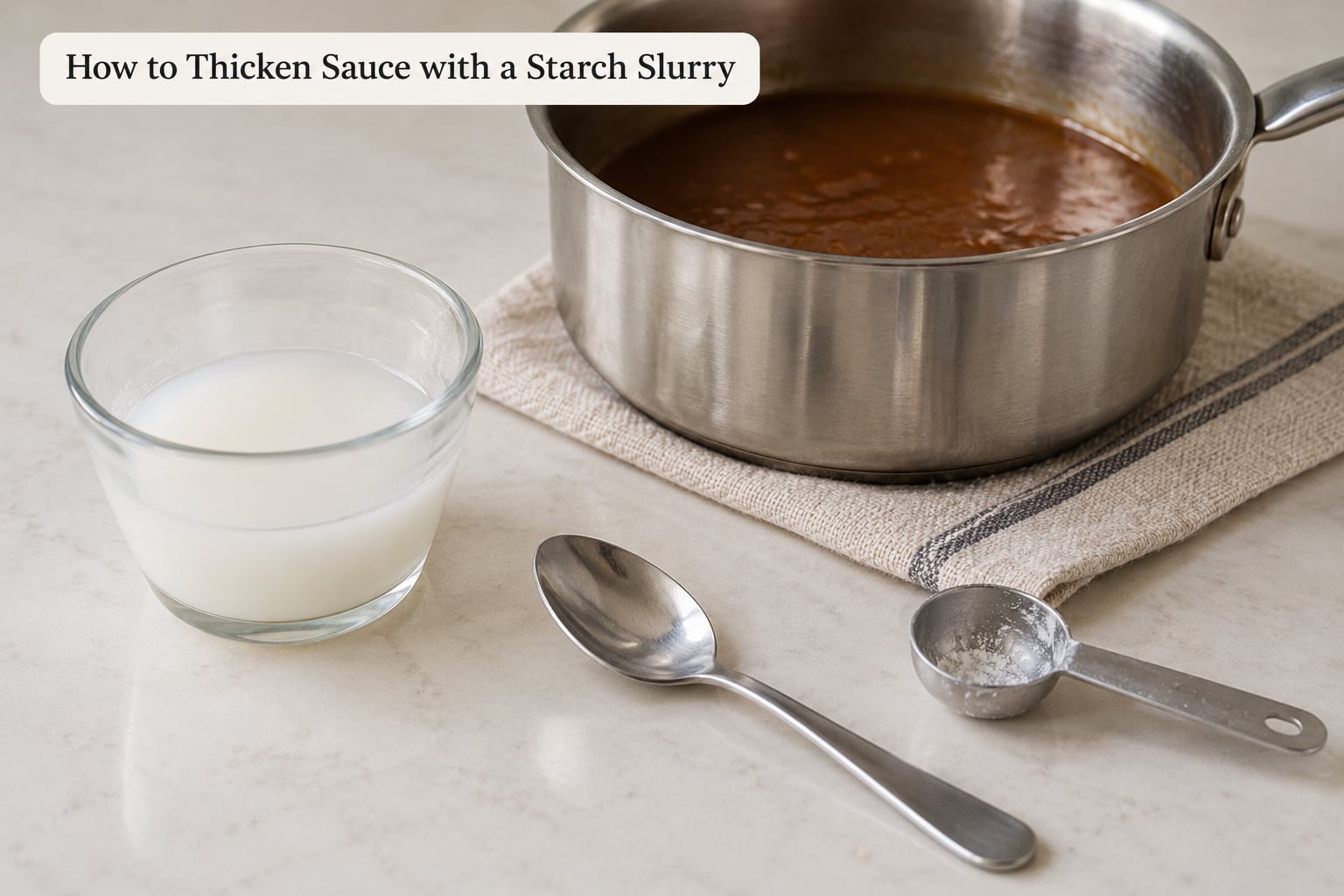
Mix cornstarch with cold water before it ever touches the pan, and the starch disperses instead of setting into lumps. The reason is simple: hot water gelatinizes starch the instant it arrives, and the outside of a clump sets into a shell before the middle can hydrate. Cold water gives the granules time to suspend evenly, so the thickening happens in the sauce where you can stir it.
The standard ratio is 1 tablespoon of cornstarch to 2 tablespoons of cold water, which is enough for roughly a cup of liquid. Whisk the slurry until no lumps are visible at the bottom of the cup, pour it into a simmering sauce, and whisk hard as it comes back to a boil. Cook it for 1 minute to get rid of the raw, pasty starch taste. Longer than that and the sauce starts turning gummy and glutinous, which is the complaint that turns up over and again in home cooking forums.
Use warm or room-temperature water and you will have lumps in your sauce within seconds. That is the whole reason for the cold-water rule.
How to Thicken Sauce with Egg or Yolk
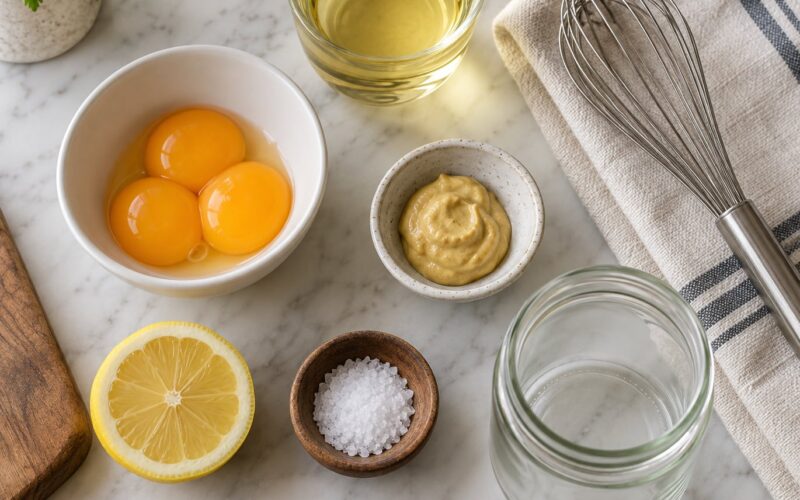
Egg yolks give a rich, silky sauce without any starch. Beat one yolk per cup of sauce with a tablespoon of cold water, then temper it: take a ladleful of the hot sauce and whisk it into the egg mixture a spoonful at a time until the yolk is warm and streaky but still raw. Pour the tempered mixture back into the pan over low heat and stir until it thickens, which takes 60 to 90 seconds. Never let it boil once the egg goes in, or you get scrambled egg ribbons instead of a sauce.
Whole eggs work the same way and give a lighter result. Hold the temperature just below a simmer and you will see the sauce turn glossy and coat the spoon. This is the classic liaison used for sauces served on filleted fish or chicken.
How to Thicken Sauce with Cold Butter
A cold butter mount, called beurre manié in a French kitchen, thickens a sauce instantly with no cooking time. Take the pan completely off the heat, add two or three cubes of cold butter, and whisk briskly. The cold fat melts into the hot liquid and emulsifies it, and the emulsion itself is what thickens the sauce rather than any starch. It finishes in under a minute and keeps working when you put the pan back over low heat.
Reserve the butter until the very end of cooking, because the emulsion breaks if the sauce is at a full boil. This is the best option for a pan sauce made from a fond, where you have seconds between draining the pasta and plating it. Whisk in a tablespoon of cold butter at the table if the sauce looks loose on the plate.
What to use when you have neither flour nor cornstarch
There is more room here than most sauce guides admit. Start with reduction, which needs only a pan and patience. Beyond that:
- Xanthan gum: about 1/8 teaspoon per cup of liquid, whisked into the sauce. It thickens almost instantly and adds no flavour, so keep the heat low, because it turns stringy if it boils hard. Mixing it into melted fat first helps it disperse.
- Unflavoured gelatin: bloomed in cold water then warmed, for a set result. This is the route for a sauce that needs to hold a jam or dip consistency rather than pour.
- Chia seeds: stirred in cold, they gel on their own in about 15 minutes. Good for fruit sauces and chilled dressings.
- Agar-agar: roughly 0.5% by weight makes a reduction viscous enough to dot without gelling. Unlike gelatin it sets from below, so do not stir it once it is hot.
- Blended cashews or any nut cream: soaked, then blitzed with a little liquid until completely smooth. The standard dairy-free thickener, and it neutralizes flavour well.
- Nut butter, tahini, or cream cheese: stirred in off the heat for body and richness.
Arrowroot, potato starch, and tapioca starch are flour-free starches if only corn is the problem. Arrowroot dissolves clear and is easy to dose, but it cannot be reheated or reboiled once thickened or it turns gluey. Potato starch gives a matte, slightly earthy finish, which suits gravies, and it is the one most often recommended for gluten-free cooking.
How much thickener per cup of liquid?
Start with the smaller number on this list and add more. Every sauce is different, and starches go from silky to gluey across a narrow range.
| Thickener | Amount per 1 cup of liquid | Cook time | Flavour impact |
|---|---|---|---|
| Cornstarch slurry | 1 tbsp cornstarch in 2 tbsp cold water | Boil 1 minute | None once cooked |
| Potato starch slurry | 1 tbsp in 2 tbsp cold water | Boil 1 minute | Faintly earthy, matte finish |
| Arrowroot slurry | 1 tbsp in 2 tbsp cold water | Simmer 30 seconds, never reboil | None, sets clear |
| Cream or stock | 1/4 cup, added gradually | Simmer 5 to 10 minutes | Richness, thins first |
| Grated Parmesan | 1/4 cup | Melt over low heat | Salty, nutty, more dairy |
| Tomato paste | 2 tbsp | Simmer 5 minutes | Sweeter, deeper tomato |
| Egg yolk liaison | 1 yolk plus 1 tbsp cold water | 60 to 90 seconds, no boil | Richer, glossier |
| Cold butter mount | 2 to 3 tbsp | None, whisk off heat | Round, nutty, glossy |
| Xanthan gum | 1/8 teaspoon | Whisk in, low heat | None |
For a slow cooker, the ratio is lower than on the stove because the long cook keeps thickening the sauce. Two teaspoons of cornstarch with half a cup of cold water is enough for a slow cooker batch of soup or gravy, and you stir it in during the last half hour.
Common Mistakes
The sauce went gummy and glutinous. Almost always one of three things: too much slurry at once, boiling it for longer than a minute, or dumping dry starch straight into a hot pan. You cannot stir lumps back out of an over-thickened starch sauce. The rescue is to loosen it with cold water or stock a tablespoon at a time, then bring it back to a brief simmer and accept that it will not be quite as shiny.
Lumpy sauce. The starch went in dry, or the slurry sat in the cup until the starch settled. Whisk the slurry again right before it goes into the pan, pour rather than dump, and keep the heat at a simmer with constant movement.
Thick in some patches, thin in others. The slurry is sitting on the bottom in pockets. Increase the whisking speed, and tilt the pan to let the sauce run over the hot spots. Thick patches are the last thing to dissolve.
Scrambled egg instead of sauce. You boiled after adding the yolk. Whisk the liaison back over low heat and, if the egg has already set into strands, strain the sauce through a fine sieve.
Oily, grainy cheese sauce. Either it boiled or the cheese was pre-shredded. Take it off the heat, add a splash of cold milk, and whisk hard to re-emulsify. Next time grate a wedge and keep the heat low.
Too thick, now what. Add the same liquid that was in the sauce to begin with: stock for a tomato sauce, milk or cream for a cream sauce, water for a soup. Add a splash at a time, whisk, and taste. You can almost always loosen it, but you cannot thicken a sauce after you have loosened it too far.
The sauce is thick but tastes flat. Thickening concentrates body but not seasoning. Taste again after it thickens and add salt, acid, or a splash of vinegar. A sauce reduced for 30 minutes usually needs a little acid back.
Wrong consistency for the dish. A dressing should coat and drip, a pan sauce should cling to the pasta and leave a clean streak on the pan, and a dip should hold a ridge. Judge by the back of a spoon: it should coat it and run off slowly in a ribbon, not sheet off or sit in a glob.
Frequently Asked Questions
What is the best way to thicken a sauce without flour?
A cornstarch slurry is the fastest and most reliable: mix 1 tablespoon of cornstarch with 2 tablespoons of cold water, whisk it into simmering sauce, and boil for 1 minute. Reduction, simmering the sauce uncovered for 20 to 30 minutes, is the best choice when you want more flavour rather than more body, and a cold butter mount thickens instantly off the heat.
Can I thicken a sauce by boiling it longer?
Yes, and it is the only method that needs no other ingredient. Keep the pan uncovered, heat at a medium-low simmer, stir often, and let the water evaporate. Twenty to 30 minutes is typical for a cup of thin sauce. You are looking for a nappe consistency, where the sauce coats a spoon and runs off slowly. Watch it closely at the end, because it will scorch fast once the liquid is gone.
How do I thicken a creamy sauce without flour?
For cream sauces, reach for grated Parmesan or Pecorino off the heat, or whisk in a cold butter mount. Keep the heat low, since cheese and emulsified butter both break at a hard boil. Egg yolk liaison is the other option: beat a yolk with a tablespoon of water, temper it with a ladleful of hot sauce, then stir it back in just below a simmer for 60 to 90 seconds.
How can I fix a sauce that became too thick?
Loosen it with the liquid that was originally in it. Add cold stock to a tomato sauce, milk or cream to a cream sauce, a splash of water to a soup, and whisk after every addition. Do it a tablespoon at a time and taste as you go, because it is easy to fix thin and impossible to thicken back. Starch sauces loosened this way will not regain their original gloss.
Is cornstarch considered flour when thickening a sauce?
Cornstarch is not flour. Flour is milled wheat and it forms a gluten network, which is what gives a roux its particular body. Cornstarch is a pure starch from corn, gluten-free, neutral in flavour, and clear when cooked. In the UK it is often labelled cornflour. If you need to avoid gluten for coeliac reasons, buy starch labelled gluten-free and check for cross-contamination on the packaging.
Can I thicken a sauce with vegetables or fruit?
Yes, and it is the best method when the sauce is thin because it has no solids in it. Roast or simmer carrots, potatoes, onion, roasted red pepper, pumpkin, butternut squash, or apples, blend them to a purée, and stir it in. Strain it through a fine sieve if you want a smooth sauce. Toasted pumpkin seeds blended with a little liquid give a velvety thickness and a nutty depth that works in place of any starch.
Conclusion
Pick one method and commit to it. Reduction for a thin soup or tomato sauce, since it also concentrates flavour. A cold butter mount for a pan sauce with seconds to spare. A cornstarch slurry when you need it thick in a minute and neutral in taste. Cheese or egg yolk for cream sauces, off the heat and never boiled.
Add any thickener in small amounts, whisk constantly, taste again once it is the right body, and adjust the salt and acid before it goes to the table. Nothing here is dated: the same 1 tablespoon of cornstarch to 2 tablespoons of cold water will get you the same sauce in 2026 as it did when I learned it.