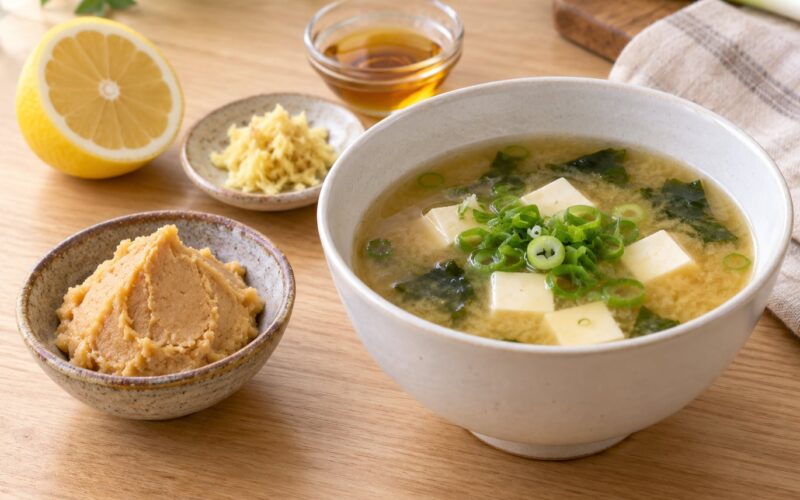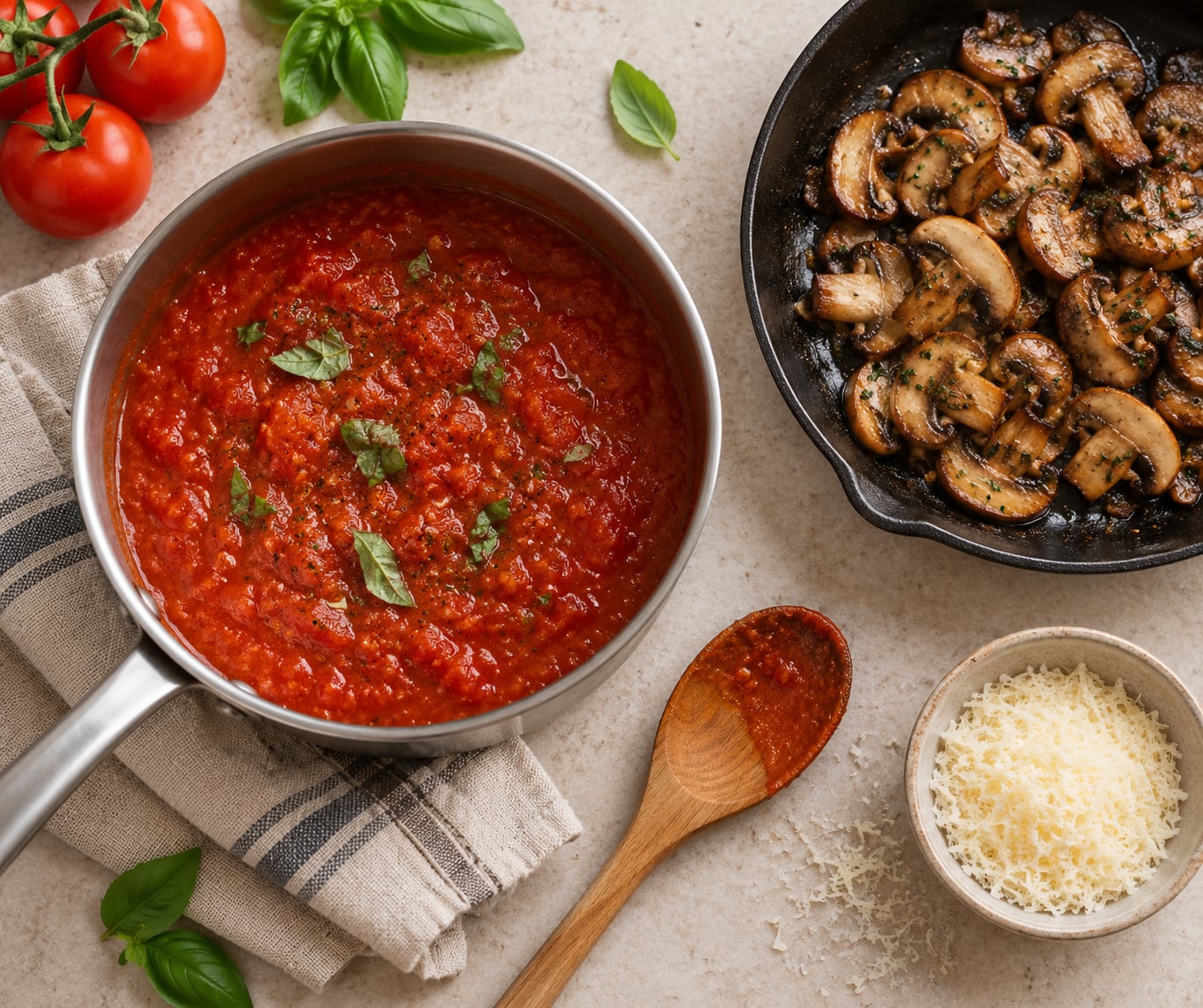
Umami is the fifth basic taste, the savory one, and it comes mostly from free glutamate plus two meat-and-mushroom nucleotides called inosinate and guanylate. To build flavor with umami ingredients, you layer a mild glutamate source, develop it with heat, add a second source from a different family, then balance with acid and texture before you reach for more salt.
I cook this way most weeknights, and it fixes the problem most home cooks hit: food that is seasoned correctly but still tastes unfinished. Salt is easy to add and hard to remove. Depth takes a plan.
Table of Contents
- What Is Umami and Why Does It Make Food Taste Savory?
- Is umami basically MSG?
- What makes a stacked dish taste more than a single strong ingredient?
- How to Build Flavor With Umami Ingredients in Layers
- Which Ingredients Add the Most Umami?
- How Do You Use Mushrooms, Soy, and Other Common Umami Sources?
- What Is the Umami Taste Triangle?
- How Can You Add Umami Without Making a Dish Too Salty?
- How Do You Balance Umami With Acid, Fat, Heat, and Texture?
- How to Build Flavor With Umami Ingredients in Everyday Recipes
- A weeknight pasta sauce
- A vegetable soup
- A savory grain bowl
- Frequently Asked Questions
- What is umami, and which foods taste umami?
- What is the best way to add umami flavor to food?
- Are umami ingredients healthy?
- How can I add umami flavor without using too much salt?
- What is the umami taste triangle?
- Start With One Extra Umami Ingredient
What Is Umami and Why Does It Make Food Taste Savory?
Umami is savory depth, the flavor you notice in parmesan, soy sauce, ripe tomato, browned meat and dried mushroom. Japanese chemist Kikunae Ikeda isolated it in 1908 from kombu, and the main molecule is glutamate, an amino acid that breaks free from proteins as food ripens, ferments, ages or browns.
Two nucleotides add to it. Inosinate comes from meat and fish, guanylate from dried mushrooms. Each one is mild on its own. Together with glutamate they multiply, which is why a dish with two different umami sources tastes far more like restaurant food than a dish built on one strong jar of sauce.
Is umami basically MSG?
MSG is purified glutamate, so it delivers umami and nothing else. Umami is the broader category, and mushrooms, soy sauce, miso, anchovies and aged cheese all contain glutamate along with aroma compounds, minerals and texture. MSG just gets there faster, with no salt attached.
What makes a stacked dish taste more than a single strong ingredient?
Glutamate makes the other tastes read as stronger, so a browned mushroom in a broth makes the herbs and the fat land harder. Two different umami families give the tongue more to register, and the aroma from browning adds a third layer that a plain pinch of seasoning never provides.
How to Build Flavor With Umami Ingredients in Layers
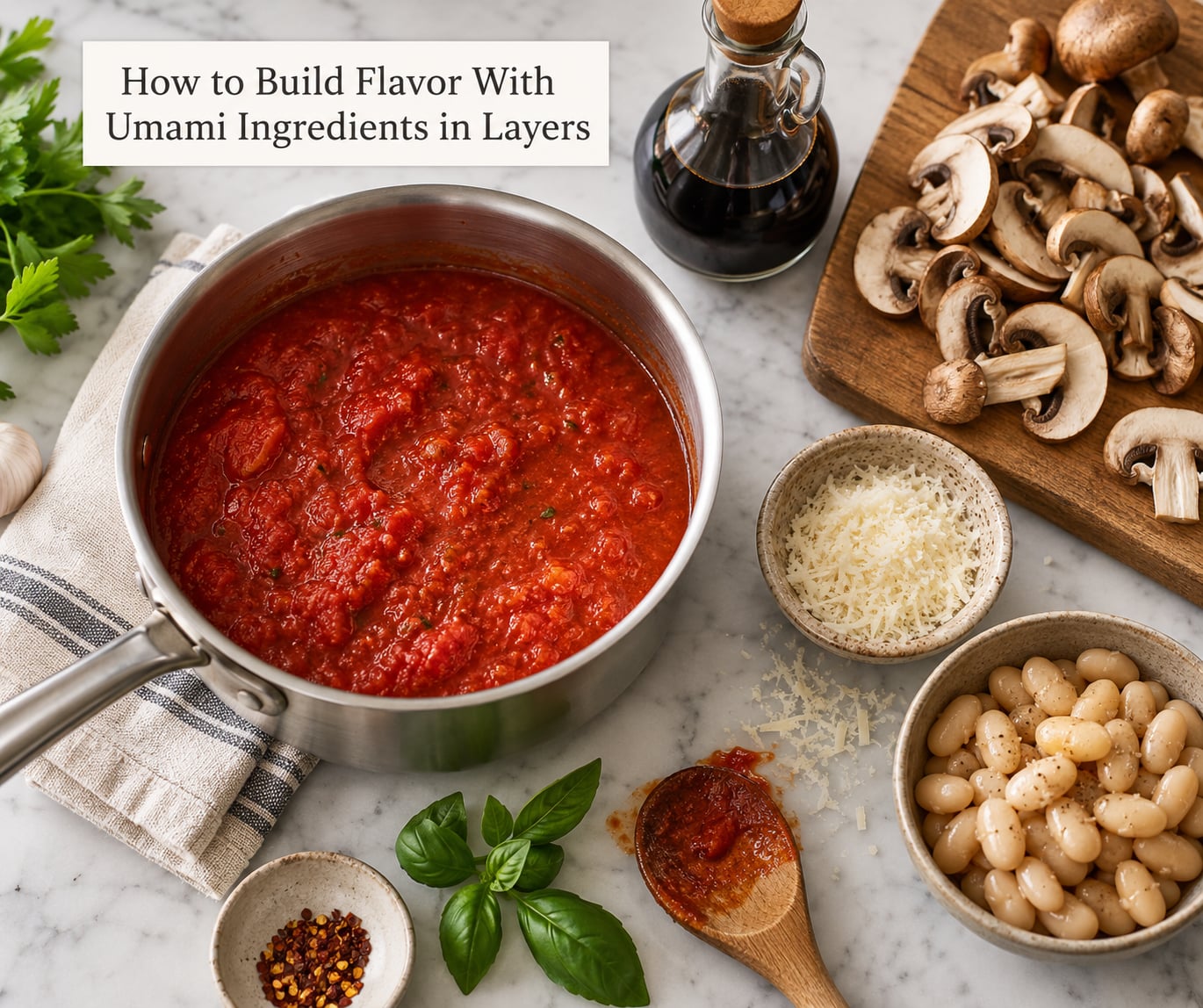
Most recipes list ingredients in a random order, which is why they fail to taste finished. Work through these five steps in order and you can fix almost any flat dish.
- Choose a mild base. Tomato, onion, mushroom, white beans, lentils, potato or rice. Cook it in something already savory, such as stock or a splash of soy sauce, rather than plain water.
- Develop the base with heat. Brown mushrooms in a hot pan until their edges darken, cook tomato paste until it turns brick red, or roast vegetables until a few edges char. Browning is what generates the aroma that makes food smell finished.
- Add a second source from a different family. Pair a plant base with dried mushroom powder, miso, soy sauce, anchovy or parmesan. Two families stacked together beat doubling up on one.
- Balance with acid, sweet, bitter, fat and texture. A squeeze of lemon, a splash of vinegar, a spoon of butter, toasted spices, fresh herbs or a crunchy garnish. This is the step people skip and then over-salt to compensate.
- Finish with a concentrated accent. A parmesan rind dropped into a simmering soup, a spoon of miso whisked into a sauce off the heat, or a teaspoon of mushroom powder stirred in at the end.
Order matters. Concentrated items go in late so they do not burn off, and miso never goes into a boiling pot because prolonged heat dulls its aroma.
Which Ingredients Add the Most Umami?
| Ingredient | Strength | Flavor character | Best use |
|---|---|---|---|
| Parmesan rind | High | Nutty, deep, salty | Simmer in soups and stocks for 30 minutes |
| Soy sauce or tamari | High | Salty, malty, slightly sweet | Marinades, pan sauces, braising liquid |
| Dried mushroom powder | High | Earthy, meaty, woodsy | Soups, stews, risotto, dry rubs |
| Anchovy or fish sauce | High | Salty, pungent, ocean | Sauces, dressings, tomato dishes |
| Miso paste | Medium-high | Savoury, sweet, salty | Finishes, glazes, vinaigrettes |
| Tomato paste | Medium-high | Sweet, acidic, meaty | Cooked into sauces before liquid goes in |
| Sun-dried tomatoes | Medium | Sweety, intense, jammy | Pasta, beans, braised dishes |
| Kombu or dashi | Medium | Clean, mineral, ocean | Broth, rice, simmered vegetables |
| Nutritional yeast | Medium | Cheesy, nutty | Popcorn, potatoes, sauces |
| Aged hard cheese | Medium | Sharp, nutty, crumbly | Grated over pasta, stirred into risotto |
| Fresh mushrooms | Low-medium | Earthy, mild | Browned hard and added in quantity |
| Fresh tomato | Low | Sweet, acidic | Ripe and slow-roasted, not raw |
Why are tomatoes umami at all? Because glutamate builds up as the fruit ripens, and heat concentrates it further. A ripe tomato simmered down tastes far more savory than the same tomato raw, which is why tomato paste cooked in oil before any liquid goes in is such a strong starting point.
How Do You Use Mushrooms, Soy, and Other Common Umami Sources?
Mushrooms only deliver real umami when browned. Crowd the pan and they steam in their own liquid and stay bland, so cook in batches, leave them alone for two minutes, and season only once the edges are dark. For dried porcini or shiitake, grind the caps in a spice grinder and keep the powder in a jar for soups, stews and grain dishes.
Soy sauce works early because it needs to cook into the dish. Miso works late, whisked into a sauce or soup off the heat, and its salty-sweet punch is strong enough that a tablespoon is plenty. Tomato paste gets cooked in oil for a minute or two until the color deepens; adding it straight to a watery pot leaves it tasting flat and bright.
Anchovies dissolve completely in a warm sauce and leave no fishy note, which is why they work under garlic, tomato and mustard. Two or three fillets in a vinaigrette disappear entirely. Parmesan rinds are the cheapest umami reservoir in most kitchens, and they belong in every batch of soup, beans or braise you make.
What Is the Umami Taste Triangle?
The umami taste triangle is the pairing pattern between the three umami families: glutamate from plants and cheese, inosinate from meat and fish, and guanylate from dried mushrooms. Pairing two different corners makes both taste stronger than they do alone.
| Pair | Family combination | What it looks like in a dish |
|---|---|---|
| Mushroom plus soy or miso | Glutamate + guanylate | Mushroom soup, shiitake fried rice, miso butter noodles |
| Tomato plus dairy | Glutamate + glutamate plus milk solids | Tomato soup with cream, parmesan on tomato pasta |
| Tomato plus meat | Glutamate + inosinate | Beef ragù, pork and tomato stew |
| Kombu plus dried mushroom | Glutamate + guanylate | Vegan dashi, simmered greens |
| White bean plus parmesan | Glutamate plus aged glutamate | Cassoulet-style beans, soups |
| Anchovy plus tomato | Inosinate + glutamate | Putanesca sauce, pizza, tomato bread |
Beginners can run any two items from the same row and taste the difference with their eyes closed. That is the fastest way to learn this is a real effect and not marketing language.
How Can You Add Umami Without Making a Dish Too Salty?
The most common mistake is treating soy sauce or fish sauce as a salt replacement, then dosing by guesswork until the dish is salty but not deeper. Instead, use umami-rich ingredients in small amounts and add the other seasonings separately. A spoonful of miso carries far more savory weight than a tablespoon of soy.
Mushrooms plus beans give you two plant sources for almost no sodium. Acid and fresh herbs lift the result so you do not reach for the salt. And tasting as you go matters more than any specific number, because every stock and every pot carries a different salt load.
| Option | Umami strength | Salt cost | Best swap for |
|---|---|---|---|
| MSG | High, clean | None | Salt in soups, sauces and stir-fries |
| Dried mushroom powder | High, earthy | None | Soup base, stocks, dry rubs |
| Nutritional yeast | Medium | None | Cheesy flavor in oil-based dishes |
| Kombu | Medium, clean | Low | Fish stock and plain water |
| Miso | Medium-high | Moderate | Fish sauce in a pinch |
| Soy sauce | High | High | Salt plus flavor, used sparingly |
| Fish sauce | High | High | Salt in soups and stir-fries |
Vegan cooks get the same result without animal products. Miso plus soy plus a spoonful of mushroom powder is a well-worn stand-in for fish sauce, and nutritional yeast handles the role parmesan plays in a sauce.
How Do You Balance Umami With Acid, Fat, Heat, and Texture?
Umami on its own is heavy. It needs contrast, and the four contrast tools are acid, fat, heat and texture.
Acid from lemon, vinegar or a pickle cuts the richness and makes the savoriness read as bright rather than heavy. Fat from butter, olive oil or cream carries aroma compounds to your tongue, which is why a sauce tastes rounder after a knob of butter at the end. Heat from chili, black pepper or toasted spices pushes the umami into the background where it can work without dominating.
Texture does the quiet work. A soft stew tastes one-note until you scatter something crisp on top, and a rich braise benefits from a handful of fried onions or toasted breadcrumbs. If a dish tastes flat and you cannot identify why, check these four before you add more umami.
How to Build Flavor With Umami Ingredients in Everyday Recipes
A weeknight pasta sauce
Mild base: onion and garlic cooked until soft. Concentrated layer: two tablespoons of tomato paste browned in oil, then a teaspoon of mushroom powder. Aromatics: a strip of parmesan rind simmered in the sauce. Balancing: a squeeze of lemon and a handful of torn basil at the end.
A vegetable soup
Mild base: carrot, celery and white potato cooked in a handful of dried porcini, with the soaking liquid strained in for extra body. Concentrated layer: a spoonful of light miso whisked into a cup of hot broth, then poured back. Aromatics: thyme, bay and a strip of parmesan rind. Balancing: cracked pepper and a little acid at the table.
A savory grain bowl
Mild base: brown rice cooked in dashi or kombu water. Concentrated layer: white beans warmed with a teaspoon of soy sauce and a pinch of sugar. Aromatics: sesame oil, scallions and a little grated ginger. Balancing: pickled cucumber and a drizzle of rice vinegar dressing on top. Add a soft-boiled egg for extra inosinate if you eat them, and cook the egg until the white and yolk are set, which means 160°F or above.
Once you treat umami as a layer rather than a flavor you pour on at the end, weeknight cooking changes. You start asking what your dish already has, then add the missing piece.
Frequently Asked Questions
What is umami, and which foods taste umami?
Umami is the fifth basic taste, savory and meaty, and it is usually present alongside glutamate and two nucleotides called inosinate and guanylate. Foods with strong umami include parmesan, soy sauce, miso, anchovies, dried mushrooms, ripe tomato, kombu, nutritional yeast and cured meat.
What is the best way to add umami flavor to food?
Layer it. Start with a mild glutamate base like tomato, beans or onion, brown it to build aroma, then add a second umami source from a different family such as mushroom powder, miso, anchovy or parmesan. Finish with acid and texture, and add concentrated ingredients near the end so heat does not dull them.
Are umami ingredients healthy?
Most umami foods are nutritious on their own. Miso, soy sauce, nutritional yeast, mushrooms, beans and seaweed are everyday foods with protein, vitamins or minerals. Watch sodium in soy sauce, fish sauce, Worcestershire and bouillon, and use measured amounts rather than free-pouring. As with any food, variety matters.
How can I add umami flavor without using too much salt?
Choose low or no-sodium sources: MSG, dried mushroom powder, nutritional yeast, kombu and dried tomato. Add these in small measured amounts and season separately with salt or soy at the table. Pairing two umami sources means you need less of each, and a squeeze of acid makes a moderate dish read as fully seasoned.
What is the umami taste triangle?
The umami taste triangle describes the three umami families: glutamate from plants and cheese, inosinate from meat and fish, and guanylate from dried mushrooms. Pairing two different families makes both taste stronger than either alone, which is why mushroom with soy, tomato with meat, or tomato with cream all taste unusually savory.
Start With One Extra Umami Ingredient
Take the dish you make most often, the one that always tastes a bit flat, and add a single umami source to it this week. Mushroom powder in the soup, a parmesan rind in the pot, a tablespoon of miso in the sauce, a strip of kombu in the rice.
Taste before adding more. If it needs something else, reach for acid or texture, not more salt. Two different umami sources used in small amounts will get you further than one strong ingredient, and umami works best as a layer you build rather than a flavor you pour on at the end.