A Negroni is equal parts gin, sweet vermouth and a bitter aperitivo such as Campari, stirred over ice and garnished with orange peel. That 1:1:1 build takes about three minutes and needs only a jigger and a bar spoon. Learning how to make a negroni and tweak it is simple because there are only three variables to move.
One warning before you start. The equal-parts recipe is genuinely divisive. Plenty of people drink it happily for years, and plenty of others find it hard, sharp and heavy on the finish. Nothing is wrong with either reaction. It just means the classic is a starting point, not a verdict.
Table of Contents
- What You Need
- Step-by-Step: How to Make a Negroni and Tweak It
- Start with the classic 1:1:1 ratio
- Build the drink over ice
- Taste and make one adjustment at a time
- Try balanced variations
- Strain, garnish, and serve
- Common Mistakes
- Tips
- Frequently Asked Questions
- What is the best ratio for a Negroni?
- Why is my Negroni too bitter?
- Can I use dry vermouth in a Negroni?
- Can I make a Negroni without Campari or sweet vermouth?
- Should a Negroni be served up or over ice?
- Conclusion
What You Need
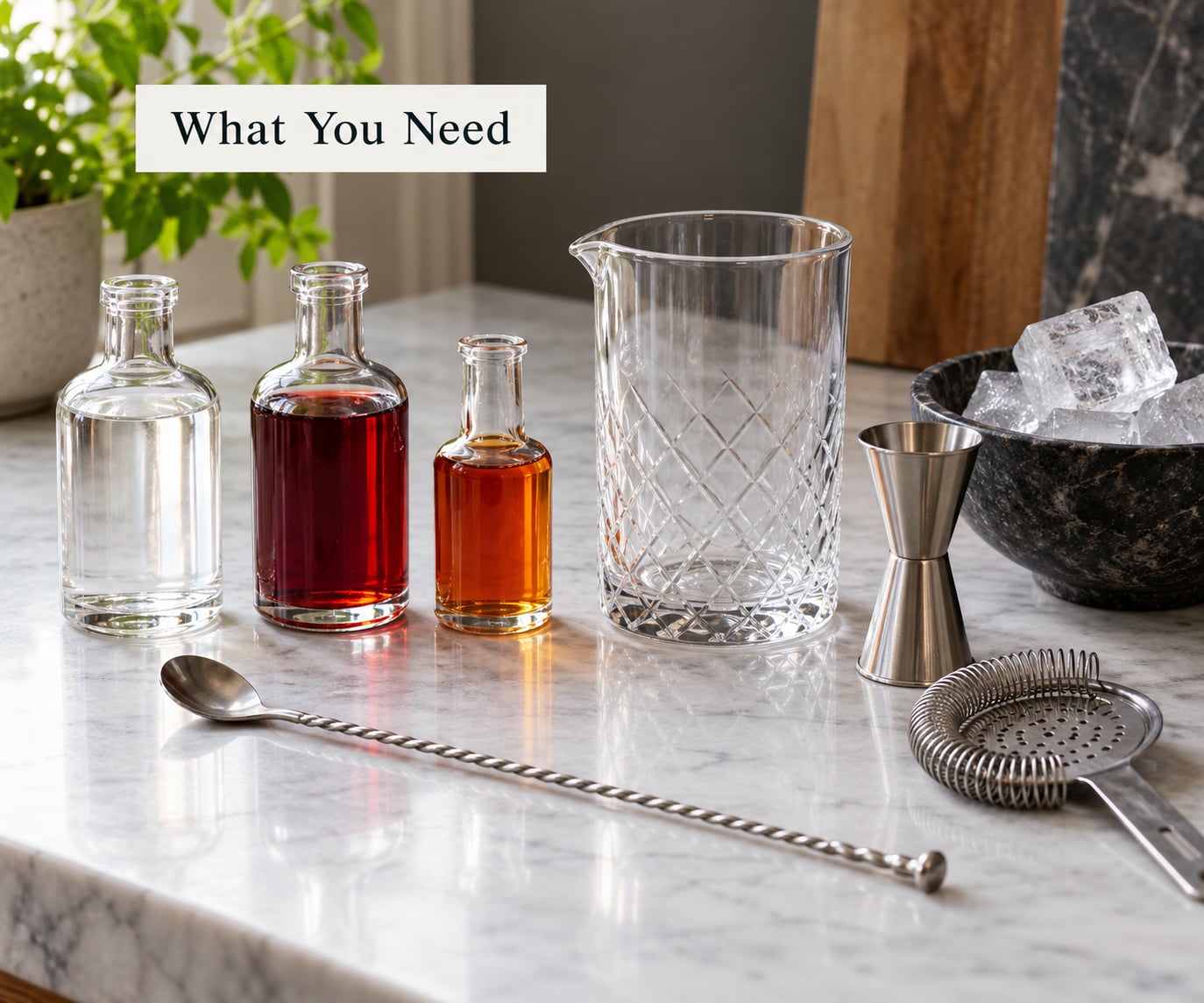
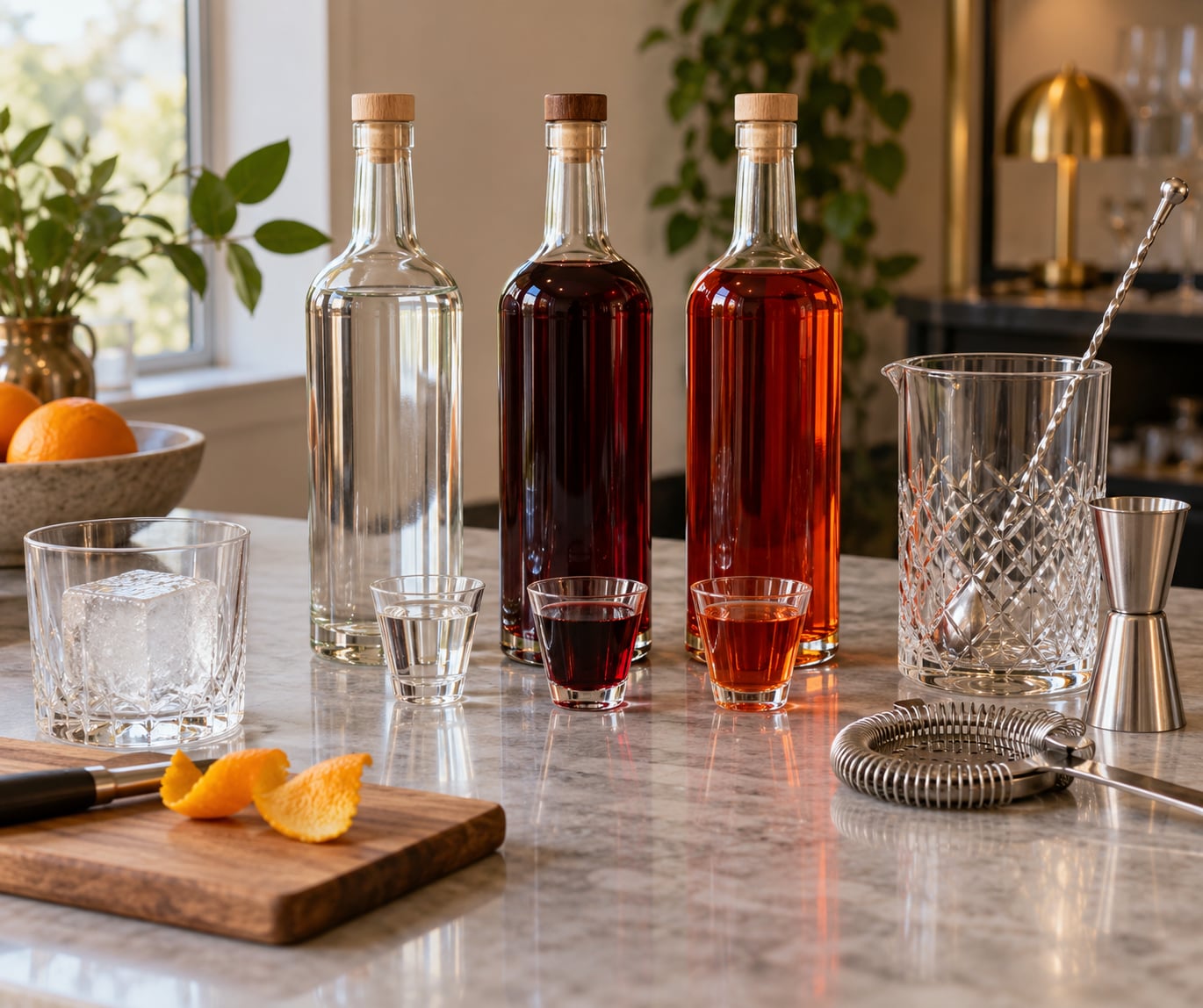
Three ingredients for the classic build: 25ml gin, 25ml sweet red vermouth, and 25ml bitter aperitivo. Everything else on this list is optional and exists to move the drink in a direction you like.
- Gin. A London dry style is the safe starting point because its juniper backbone holds up against vermouth and bitters. Anything more botanical or flavoured works too and will push the drink in a noticeable direction.
- Sweet vermouth. Rosso is the traditional choice, richer and darker than the white styles. Buy a bottle you can finish within a few months; vermouth is a fortified wine and oxidises fast once opened.
- Bitter. Campari is the reference point. Aperol is softer and more orange-forward, Cynar is an artichoke amaro with a darker herbal weight, and non-alcoholic bitters exist if you want the structure without the alcohol.
- Ice. A chunky cube or sphere for the glass, plus plenty of cubed or crushed ice for the mixing glass. Small ice melts in seconds and leaves you with a warm, watery drink.
- Tools. A jigger, a mixing glass or any large glass, a bar spoon, and a strainer. A Hawthorne strainer makes straining from the mixing glass far easier.
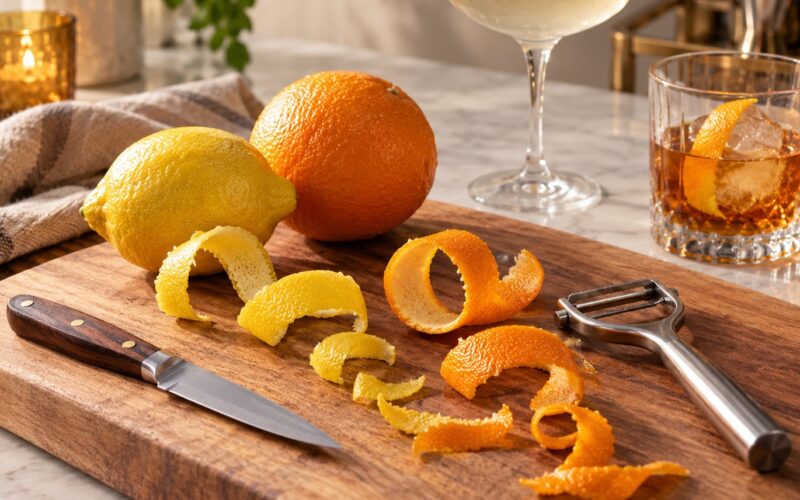
- Garnish. One strip of orange peel, pith removed. Wide peel for aroma, narrow strip for a subtler accent.
Useful substitutes sit in the same cupboard. Rye whiskey gives you the Old Pal, bourbon gives you the Boulevardier, prosecco gives you the Sbagliato, and dry or bianco vermouth makes the drink drier and more gin-forward. A non-alcoholic spirit swaps in for the gin in a session-strength version.
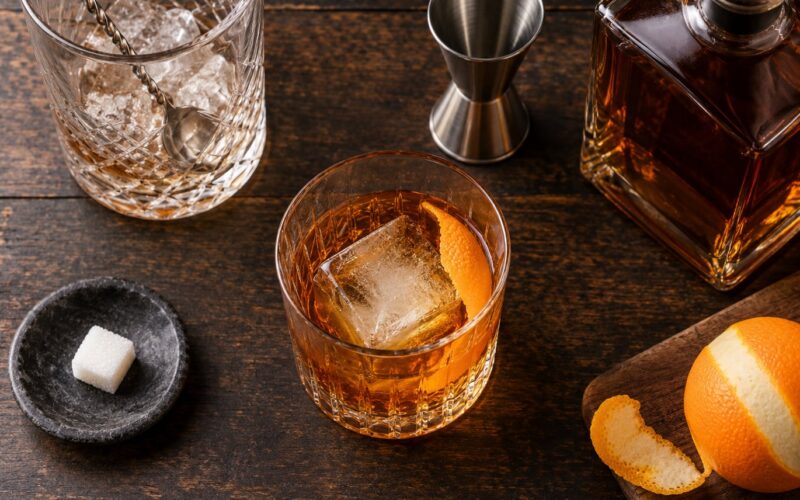
For serving, a rocks glass or an old fashioned glass over one large cube is the standard. A coupe looks handsome and serves the drink colder, but you lose the ice that keeps it at drinking strength.
Step-by-Step: How to Make a Negroni and Tweak It
The method takes five minutes and every step exists to control one thing: how much the drink is chilled and diluted. Do it once exactly as written, taste it, and only then decide what to change.
Start with the classic 1:1:1 ratio
The equal-parts ratio is the baseline every tweak is measured against. Measure 25ml of each ingredient into the mixing glass, or 1 oz if you are working in imperial.
Equal parts also scales without arithmetic, which is its underrated advantage. Four servings is 100ml of each. Ten servings is 250ml of each. Nobody has to remember which component got the extra splash.
Batch quantities are worth knowing before you start, because diluting a whole pitcher at once is where home bars lose control. A single serve uses 75ml of liquid and should end up around 90ml once properly stirred. Four servings need 300ml of liquid and finish near 375ml. If you are serving ten, measure 750ml of mix and use two large cubes so the drink chills without turning thin.
Treat equal parts as a starting point rather than a law. Once you know how the classic tastes, the ratio becomes one of your four levers alongside the gin, the vermouth and the bitter.
Build the drink over ice
Fill the mixing glass two-thirds with ice, then pour in the gin, vermouth and bitter. Add the spirit first and the bitter last, mostly out of habit, but nothing bad happens if the order slips.
Stir with a bar spoon for 20 to 25 seconds. Stirring chills without aerating, so the drink stays glossy and heavy-bodied instead of turning foamy and thin. You are also doing something specific: controlling dilution. Stirring ice to the point where the glass is cold to the touch should add roughly a quarter again to the volume of liquid.
If you have a minute, chill the mixing glass in the freezer first. A room-temperature glass has to absorb more of the drink’s heat before the ice starts working, which means extra dilution for the same stirring time.
Taste and make one adjustment at a time
Dip a clean bar spoon into the drink and taste the diluted mixture before you strain it. Ask four questions: is it too strong, too sweet, too bitter, or too thin?
- Too strong and hot. You under-diluted. Stir ten more seconds with ice rather than adding anything else.
- Sour or harsh on the finish. The bitter is outrunning everything. Either add 5ml of vermouth or drop the bitter by 5ml next time.
- Heavy and cloying even though nothing is obviously sweet. That is bitterness reading as weight. Soften it with more dilution or a gentler bitter.
- Flat and boring. Usually old vermouth or thin ice rather than the recipe.
Change one variable per attempt. Swapping the gin, the vermouth and the bitter in a single go tells you nothing about which move worked, and it is the most common reason people conclude the drink just is not for them.
Try balanced variations
Once the classic makes sense to you, move one lever at a time. The table below lists the swaps that reliably produce a different but still coherent drink.
| Component | Swap for | What it changes | Resulting drink |
|---|---|---|---|
| Gin | Rye whiskey | Drier, spicier, less juniper | Old Pal |
| Gin | Bourbon | Rounder, oak and caramel notes | Boulevardier |
| Gin | Prosecco | Lighter, sparkling, lower strength | Negroni Sbagliato |
| Gin | Non-alcoholic spirit | Session strength, keeps structure | Zero-proof Negroni |
| Sweet vermouth | Dry or bianco vermouth | Drier, crisper, more aromatic | Drier Negroni |
| Sweet vermouth | Amber or aged vermouth | Deeper, nuttier, less sugar | Barrel-aged build |
| Bitter | Aperol | Sweeter, softer, orange-led | Classic twist |
| Bitter | Cynar | Bitter with artichoke and dark herbs | Smoky herbal build |
| Ratio | 2:1:1 gin-forward | Less sweet, more spirit | Americano-style serve |
| Ratio | 1:1:2 vermouth-forward | Rounder, softer, lower strength | Mild aperitivo |
For a drier version, keep the gin and bitter and swap the sweet vermouth for a dry one, or simply pull the vermouth down to 15ml. For a rye-forward build, use equal parts rye, sweet vermouth and Campari, which is the Old Pal and tastes like a Negroni with the juniper taken out.
A Campari-forward drink runs on the opposite principle: keep gin and vermouth at 25ml and add 35ml of bitter. That is the Americano territory, and it is where people who find equal parts too sweet usually end up.
To lower the strength, build with more ice and a longer stir rather than shrinking the pour, and swap the gin for prosecco. A 1:1:1 Negroni lands somewhere around 25 to 28 percent alcohol once diluted, so a sparkling swap drops it noticeably while keeping the same shape.
For a botanical direction, use a gin with a distinct fruit or herb profile, such as a grapefruit or rhubarb style, and cut the vermouth to 15ml so the botanicals come through. A bittersweet version swaps Campari for Cynar, which adds an earthy, vegetal weight that works with an aged or ambrato vermouth.
Strain, garnish, and serve
Strain the drink from the mixing glass over a large cube in a rocks or old fashioned glass. Pouring over fresh ice after straining gives you control over how much dilution happens during service, which is why most bars do it that way.
Serve it up in a chilled coupe if you prefer a colder, more concentrated drink with no further dilution. The trade-off is that it warms faster, so it suits sipping slowly rather than a long conversation.
The orange peel is not decoration. Expressing the peel over the surface pushes citrus oils onto the drink, and those oils carry the aroma that the glass alone cannot. Rub the peel around the rim, then drop it in.
Variations should be served the same way as the classic. A Boulevardier in a highball with a lemon wheel is a different drink, not just a different serve.
Common Mistakes
- Watery and weak. You added the ice too early or stirred too long. Stir until the glass is cold, then stop.
- Hard and abrasive. Too much bitter for the ratio. Pull the bitter back to 20ml before you touch anything else.
- Heavy and cloying. Bitterness is being read as sweetness. Extra dilution plus a slightly gentler bitter usually fixes it.
- Vermouth off notes. Old vermouth tastes flat and slightly cooked. Replace the bottle and keep the new one refrigerated.
- Sour, hard edge. Bitters measured by eye instead of by jigger. Ten to fifteen dashes is plenty for most palates.
- Small, wet ice. It melts inside the mixing glass in seconds. Use larger cubes and refresh the serving ice between drinks.
- Three changes at once. You cannot tell which one helped. Go back to the classic and move a single lever.
Tips
Measure accurately, especially the bitter. Free-pouring bitters is the fastest way to make a drink that is sharp in a way people describe as bad rather than strong.
Keep a clean spoon for tasting so you are not judging sweetness through the vermouth residue already on it.
Chill the serving glass in advance. A cold glass buys you five extra minutes before the drink warms.
Adjust sweetness with more stirring ice rather than with sugar or syrup, which is exactly the shortcut that flattens a Negroni.
Write down the ratios you land on. Most people settle on something within a few weeks and it helps to have it written down.
Frequently Asked Questions
What is the best ratio for a Negroni?
The classic ratio is 1:1:1, equal parts gin, sweet vermouth and bitter, usually 25ml of each per serve. That is the baseline, not a rule. Many regulars prefer 2:1:1 for a drier drink, or 1:1:2 when they want something softer and lower in strength. Change one ratio at a time so you know what your palate actually prefers.
Why is my Negroni too bitter?
Bitterness reads as harsh when nothing softens it. Three usual causes: too much bitter for the ratio, not enough dilution, or an old vermouth that has lost its fruit and sugar. Add 5ml of vermouth, stir another ten seconds with ice, and replace the vermouth if the bottle has been open more than a couple of months.
Can I use dry vermouth in a Negroni?
Yes, and many people prefer it. Dry or bianco vermouth makes the drink less sweet, more aromatic and noticeably crisper, with the gin and the bitter in front. Start at 25ml gin, 25ml Campari and 15ml dry vermouth, then add vermouth a little at a time until the sweetness sits where you want it.
Can I make a Negroni without Campari or sweet vermouth?
You can. Swap Campari for Aperol, Cynar or a non-alcoholic bitter, and swap sweet vermouth for dry vermouth or a fortified wine. With prosecco instead of gin you get the Negroni Sbagliato. Each swap changes the character of the drink, so change only one at a time and taste before deciding what to keep.
Should a Negroni be served up or over ice?
Over ice is the standard serve. Stir the drink with ice to chill and dilute it, then strain it over one large cube in a rocks or old fashioned glass so you control how much it dilutes further. Served up in a chilled coupe it is colder and more concentrated, but it warms quickly, so it suits sipping rather than a long sitting.
Conclusion
Make the classic 1:1:1 first, exactly as written, and taste it with an open mind. Then change one thing only: the gin, the vermouth, the bitter or the ratio, in that order. Two or three sessions is usually enough to find the version you will keep making.