You can taste vodka. You just have to slow down, serve it cold, pour less than you think, and use your nose before your mouth. Most people who decide vodka tastes like nothing have never smelled it once, and the sips they took were big enough to numb the very receptors that detect flavour. Here is the short version of how to drink vodka and actually taste it, then the full routine below.
Chill the bottle to 4-10 °C (40-50 °F), pour 30-45 ml into a small bowl-shaped glass, look at it, smell it, then take a sip you let sit on your tongue for about three seconds before swallowing. Have still water and something salty on the table, and take both between sips.
This takes about five minutes per glass. Almost all of it is attention, not effort.
One note before we start: this is about technique, not endurance. Everything below assumes you eat before you drink, that you pour slowly, and that you stop when you are done for the night.
Table of Contents
- What You Need
- Step-by-Step: How to Drink Vodka and Actually Taste It
- Step 1: Start With the Right Conditions
- Step 2: Look Before You Sip
- Step 3: Smell the Aroma
- Step 4: Take Small, Deliberate Sips
- Step 5: Retaste With Water and Food
- Step 6: Identify Your Preference
- Mixers That Let You Still Taste the Vodka
- Common Mistakes
- Frequently Asked Questions
- Should vodka be tasted chilled or at room temperature?
- Why does vodka taste like alcohol when I drink it straight?
- What should I taste in vodka if it is supposed to be neutral?
- Is it better to taste vodka neat or in a cocktail?
- How do I compare two vodkas without becoming overwhelmed?
- What food pairs well with vodka when tasting it?
What You Need
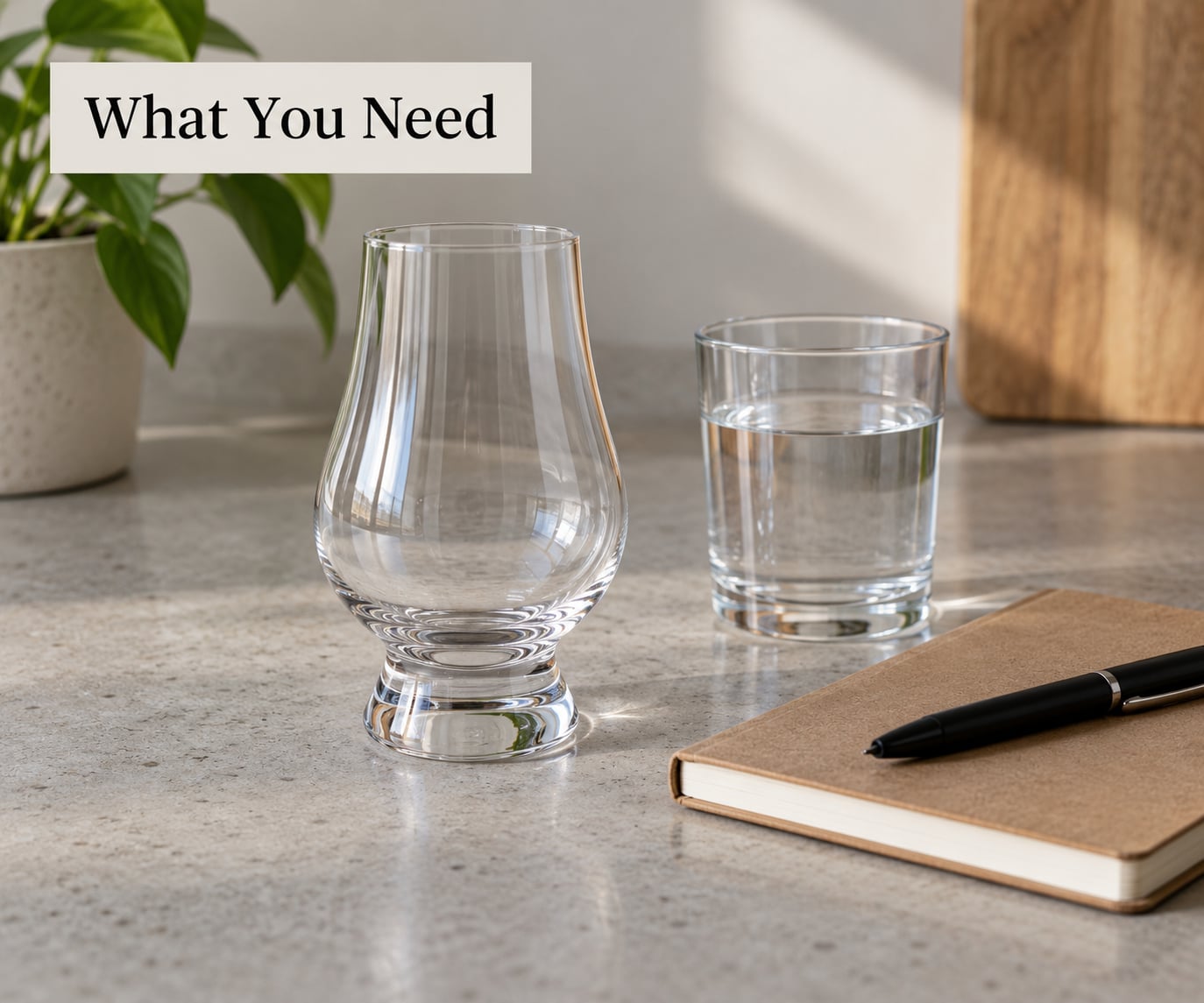
You need less than you expect. None of this is specialised bar equipment, and none of it has to be expensive.
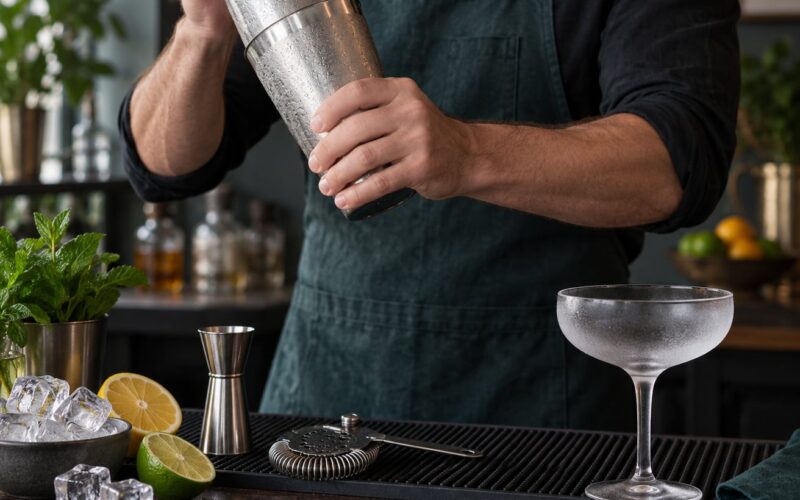
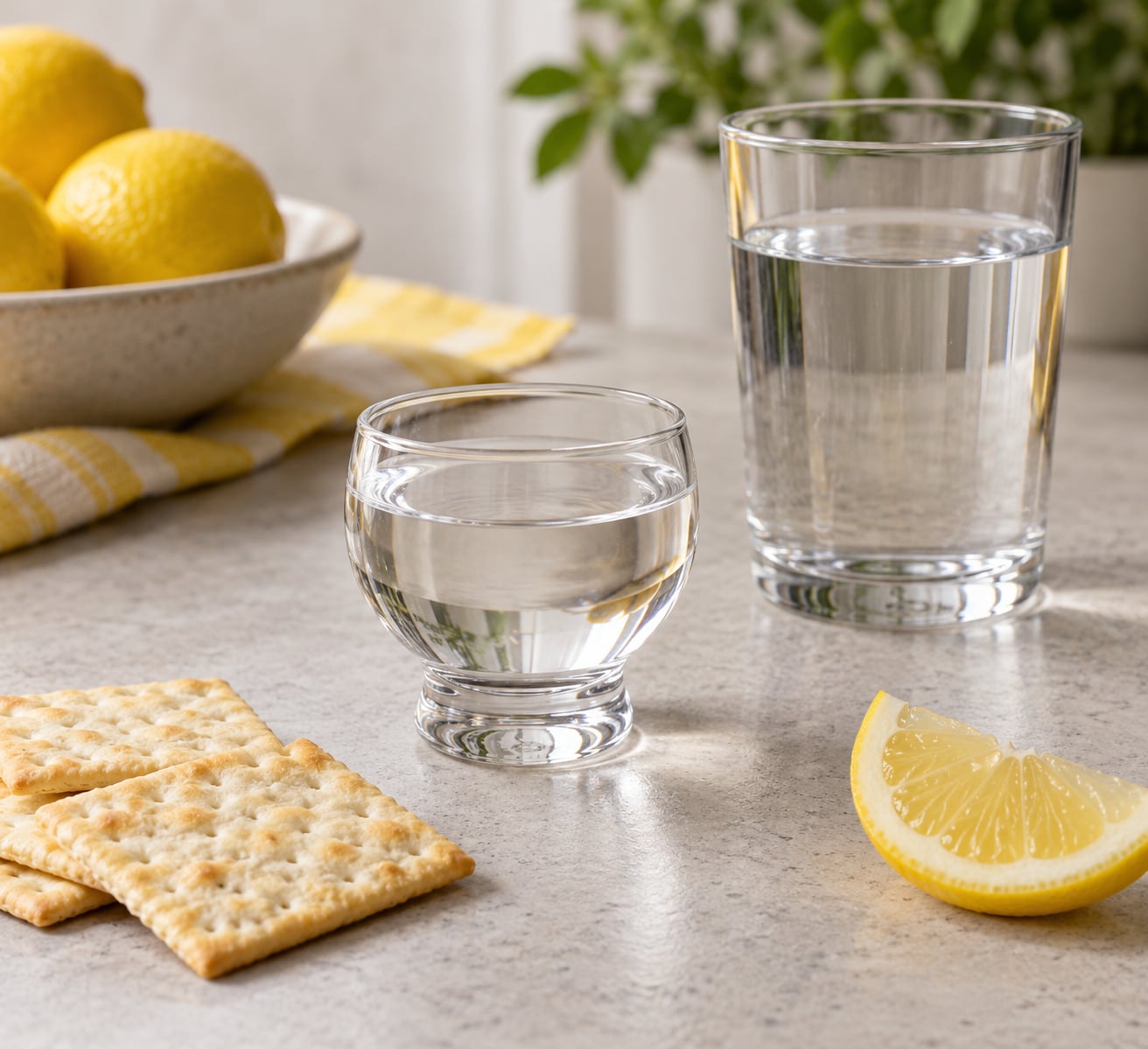
- A small bowl-shaped glass. A stemmed tulip or a small coupe both work. A shallow nose helps aroma collect instead of escaping. A shot glass is the worst option on this list: it is narrow, it delivers too much at once, and it gives your nose nowhere to work.
- Vodka at fridge temperature. Straight from the fridge, not the freezer. Room temperature is workable, but cold is where most beginners should start.
- A glass of still water. Room temperature, no ice, no bubbles. It resets your palate between sips without adding sugar or carbonation to the next taste.
- Something plain and salty. Plain crackers, salted nuts, breadsticks, or a few pickles. Neutral food lets the vodka register and gives your mouth something other than alcohol to work on.
- A small spoon and a notebook. The spoon is for a last-resort taste of a drop diluted in water. The notebook is for three words per glass. Memory is unreliable and so is group agreement.
That is the whole kit. A clean kitchen and ten quiet minutes do the rest of the work.
Step-by-Step: How to Drink Vodka and Actually Taste It
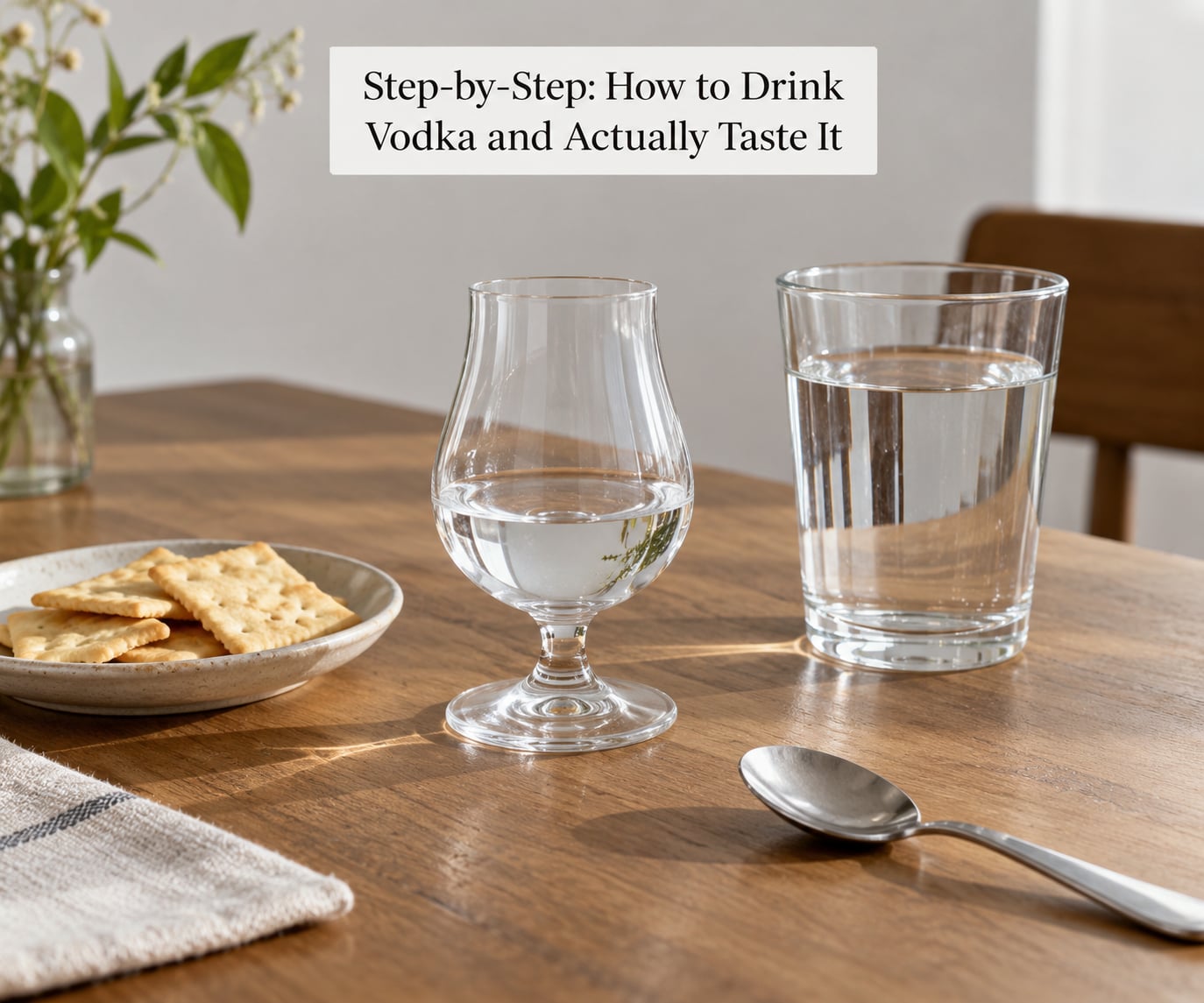
Six steps, in order. The order matters more than the effort, because each stage sets up the next one.
Step 1: Start With the Right Conditions
Put the glass in the fridge next to the bottle while you do something else for ten minutes. A cold glass and cold spirit are what make the first sip readable; a warm glass does the opposite and makes a good vodka taste thin and sharp.
Then deal with your nose. Cooking smells, cigarette smoke, scented candles, hand sanitiser, and even a perfumed roommate can flatten everything you are trying to detect. Ventilate the room and give it two minutes.
Wash the glass with hot water and no detergent. Detergent residue is a real problem and an unfair one, because it makes a clean vodka taste soapy and people blame the bottle. Dry it with a lint-free cloth rather than a towel.
How you know this step worked: the glass smells faintly of nothing, and your hands smell of nothing when you hold it.
Step 2: Look Before You Sip
Hold the glass up to a window and look through it against a light background. Good vodka is clear and bright, with a viscosity you can sometimes see in how quickly the liquid runs back down the inside of the glass after you swirl it.
Cloudiness means the spirit has been diluted or stored badly, or something is off in the bottle. Any tint at all is unusual for a plain vodka. Aroma catches what the eye misses, so treat what you see here as a quick screen, not the verdict.
One exception worth knowing: if the vodka leaves visible legs or trails down the glass walls, it may contain added sugar or a sweetener, which legal plain vodka in most markets should not have.
How you know this step worked: the liquid is transparent and behaves like water, and you have a clean glass in front of you.
Step 3: Smell the Aroma
Start with the glass upright and your nose just above the rim. Do not inhale hard. Gentle, repeated short sniffs give you far more than one big sniff, which is the most common tasting mistake beginners make.
Swirl gently by rolling the glass on the table, then smell again. The swirl lifts the volatile top notes into the air above the liquid, which is why it changes the smell noticeably.
Now, what should a neutral spirit give you? Plenty of nothing, and a surprising amount of something. Look for cereal or grain notes, a faint sweetness, light bread-dough or cracker character, and sometimes a trace of pepper or citrus peel. Clean, faintly sweet, and slightly warm in the nose is a good result.
A harsh, hot, nail-polish-remover scent is different from a mild, neutral one. That harshness comes from higher alcohols and other compounds that better distillation keeps out, not from the grain or potato, so it is worth knowing the difference between nothing and abrasive.
How you know this step worked: you can describe something, even if it is only mild sweetness and a clean finish.
Step 4: Take Small, Deliberate Sips
Pour 30-45 ml. That is under two ounces and much smaller than a standard drink pour. At that size you can genuinely taste across several sips instead of burning your mouth on the first one.
Take a sip and let it sit rather than swallow instantly. Move it around your mouth and over your tongue for about three seconds. That gives the front of the tongue a chance to register sweetness, the sides to register acidity, and the back to register ethanol heat. Swallowing straight away is why shots feel like taste then burn and nothing in between, and it is the habit most people trying to learn how to drink vodka and actually taste it never break.
What to notice: the first impression, the mouthfeel, the middle, and the finish. Mouthfeel is the part most people miss, and for vodka it carries a lot of weight. Grain-based spirits tend to read smooth and creamy, wheat soft and slightly bready, potato thick and oily, rye peppery and warm. Corn and wheat bases are generally the softest and least peppery.
Ethanol always shows up as heat, and you cannot train it out of the spirit. What you can change is how sharp that heat feels, and temperature, pour size and dilution are how.
How you know this step worked: you noticed texture and a finish, not just warmth.
Step 5: Retaste With Water and Food
Take three or four mouthfuls of water after every sip or two of spirit. This washes away the alcohol film on your mouth so the next sip registers instead of sliding off a coated palate. This is the single most useful habit in the whole routine, and it costs nothing.
Then eat something salty or plain. Salt suppresses bitterness, which is the harsh edge people mistake for bad alcohol. Plain crackers are the cleanest palate cleanser because they have almost no taste of their own.
Contrast works too. A bite of cheese or salted herring between vodkas makes the difference between a cereal-forward spirit and a lighter one much easier to see, the same way a palate cleanser works in a tasting flight.
How you know this step worked: the second sip of a bottle tastes noticeably cleaner than the first.
Step 6: Identify Your Preference
After two or three glasses, or after a few sips of two different bottles, you should be able to say what you like rather than what you were told to like. A short list is enough: smoothness, length of finish, how much sweetness, how much pepper, how much aroma.
Be clear about what the bottle is for. A smooth, neutral vodka is the one that disappears in a cocktail. A spirit with more cereal character is more fun neat. If your goal is taste, reach for the second kind and stop expecting water, because neutral means clean, not flavourless.
Pick the pouring style that matches your answer. A 1:4 ratio of vodka to mixer is the sweet spot for beginners: enough spirit to notice, enough mixer to make it easy. People on the vodka subreddit describe that ratio as the point where they can still taste the spirit while actually enjoying the drink.
How you know this step worked: you would choose a bottle again, and you can say why.
Mixers That Let You Still Taste the Vodka
Most classic mixes do the opposite of what people want: they bury the vodka completely. This list runs from most revealing to most hiding.
- Still water. Pure dilution, nothing added or removed.
- Seltzer. Dilutes and lifts the aroma; carbonation adds a bright edge.
- Cold brew or unsweetened iced tea. Softens the burn and adds tannin with a little bitterness.
- Tomato juice. Acid and salt cut the alcohol and make the spirit taste savoury.
- Cranberry juice. Tart and sweet enough to keep some fruit notes readable.
- Ginger ale. Spice and sweetness; the vodka reads as warmth underneath.
- Cola. Sugar and caffeine dominate; the vodka mostly adds strength.
- Sweet juice or cream. Hides the vodka almost completely.
Start at one part vodka to four parts mixer, and shrink the ratio as your tolerance grows. Working bartenders on the forum point out that even good vodka burns, and that a spirit’s job in a drink is often to add alcohol with minimal flavour, which is a useful expectation to reset.
Common Mistakes
Chilling it too much. Freezer-cold vodka numbs your mouth and dulls aroma. Fridge temperature is the target. If your kitchen is warm, an ice bucket with cold water works better than a freezer.
Sniffing too hard. One aggressive sniff gives you a lungful of ethanol vapour, not aroma. Short, gentle sniffs, repeated, tell you far more.
Sipping too much. A standard pour drunk in two mouthfuls is a shot with extra steps. Pour 30-45 ml and spread it over several sips with water in between.
Judging only the burn. The heat is the same in every vodka. Judge aroma, mouthfeel and finish instead, since those are where the differences live.
Mixing before tasting. If you want to know what something tastes like, taste it neat first. You cannot profile a spirit once a mixer has covered it.
Expecting neutral to mean flavourless. Plain vodka is meant to be clean, not blank. If you smell nothing at all, check the glass for detergent residue before you decide the bottle is poor.
Trying to force it. If neat vodka still repels you, slow the ramp up. One week of one-to-four dilution, then a slightly stronger ratio, over a month of casual use is a reasonable pace, and keeping a few words in a notebook makes the progress visible. Flavoured vodka highballs are a legitimate destination too; there is no prize for drinking something you dislike.
Whatever your ratio, eat before you start, keep water within reach, and stop for the night before the second bottle opens. Neat tasting works best with a clear head and a full stomach.
Frequently Asked Questions
Should vodka be tasted chilled or at room temperature?
Chilled, ideally between 4 and 10 degrees Celsius. Cold spirit numbs the burn a little and keeps the aroma tight, which makes a neutral vodka far easier to read. Freezer-cold is too cold, since it dulls your palate and mutes the smell. Room temperature works, particularly for older potato or rye vodkas with more weight, but it is a harder first experience for a beginner.
Why does vodka taste like alcohol when I drink it straight?
Because the alcohol is ethanol, and ethanol registers as heat rather than flavour. Spirits also carry higher alcohols and similar compounds left behind by distillation, and those are what make the burn feel sharp and abrasive rather than warm. A small pour, fridge temperature, a few seconds with the spirit in your mouth, and water or salty food between sips all spread the alcohol out and soften the edge.
What should I taste in vodka if it is supposed to be neutral?
Neutral means clean, not blank. Most good vodkas give you faint cereal or grain notes, a little sweetness, a hint of bread or cracker, and a short clean finish. A well-made spirit should smell soft rather than hot, and a harsh or abrasive scent is a real flaw worth noticing. Write down three words per glass and you will find them easier to spot the next time you taste.
Is it better to taste vodka neat or in a cocktail?
Neat, if your goal is to judge the spirit. Mixing covers the very qualities you are trying to detect, so taste it neat first and only then decide what to do with the bottle. If the goal is simply to enjoy drinking it, a highball at one part vodka to four parts mixer is a perfectly good way to start. Both are valid; they answer different questions.
How do I compare two vodkas without becoming overwhelmed?
Taste one, write three words, then taste the other in a fresh glass before you go back to the first. Aiming at a handful of sips rather than finishing both drinks is what keeps comparison honest. Rinse with still water and eat a plain cracker between them, and never compare a cold bottle against a warm one, since temperature alone will change the result.
What food pairs well with vodka when tasting it?
Plain and salty things work best because they reset your mouth without adding their own flavour. Plain crackers, salted nuts, breadsticks, and pickles are the usual choices, and a mild cheese or a piece of cured fish helps reveal differences between two spirits. Anything sweet fights the vodka and dulls your sense of it, so save dessert for afterwards.
Start tonight with one bottle, one clean bowl-shaped glass, a 30-45 ml pour at fridge temperature, and water between sips. Taste two small glasses side by side and write three words about each, and you will know more about vodka than you did before you poured. That is the whole trick, and knowing how to drink vodka and actually taste it costs you about ten minutes.