If you are searching for how to drink amaro and bitter liqueurs, the short answer is that you can absolutely drink amaro straight: pour about 45 ml into a small glass, taste it at cool room temperature, then add ice or a splash of water or soda until the bitterness sits where you like it. Most people who dislike amaro haven’t had it this way. They’ve had it warm, in a large pour, judged on the first sip, and never given it a second stage.
There are five reliable ways to serve any bitter liqueur, and they all start from the same bottle: neat, over ice, topped with soda water, lengthened with sparkling wine, or stirred into a mixed drink. Work down that list and you’ll find your version within one sitting.
A note on timing: none of this needs equipment, and nothing takes longer than five minutes a glass. The hard part isn’t technique, it’s expectations.
Table of Contents
- What You Need
- Step-by-Step: How to Drink Amaro and Bitter Liqueurs
- Choose the right serving style
- Taste it before adding anything
- Dilute and balance the drink
- Pair it with food or make a simple drink
- Common Mistakes
- Tips for Trying Different Amaro and Bitter Liqueurs
- Frequently Asked Questions
- Can you drink amaro neat?
- Should amaro be served cold or at room temperature?
- What glass is best for bitter liqueur?
- Is amaro supposed to taste very bitter?
- What can I mix with amaro or another bitter liqueur?
- What food pairs well with bitter liqueur?
- Conclusion
What You Need
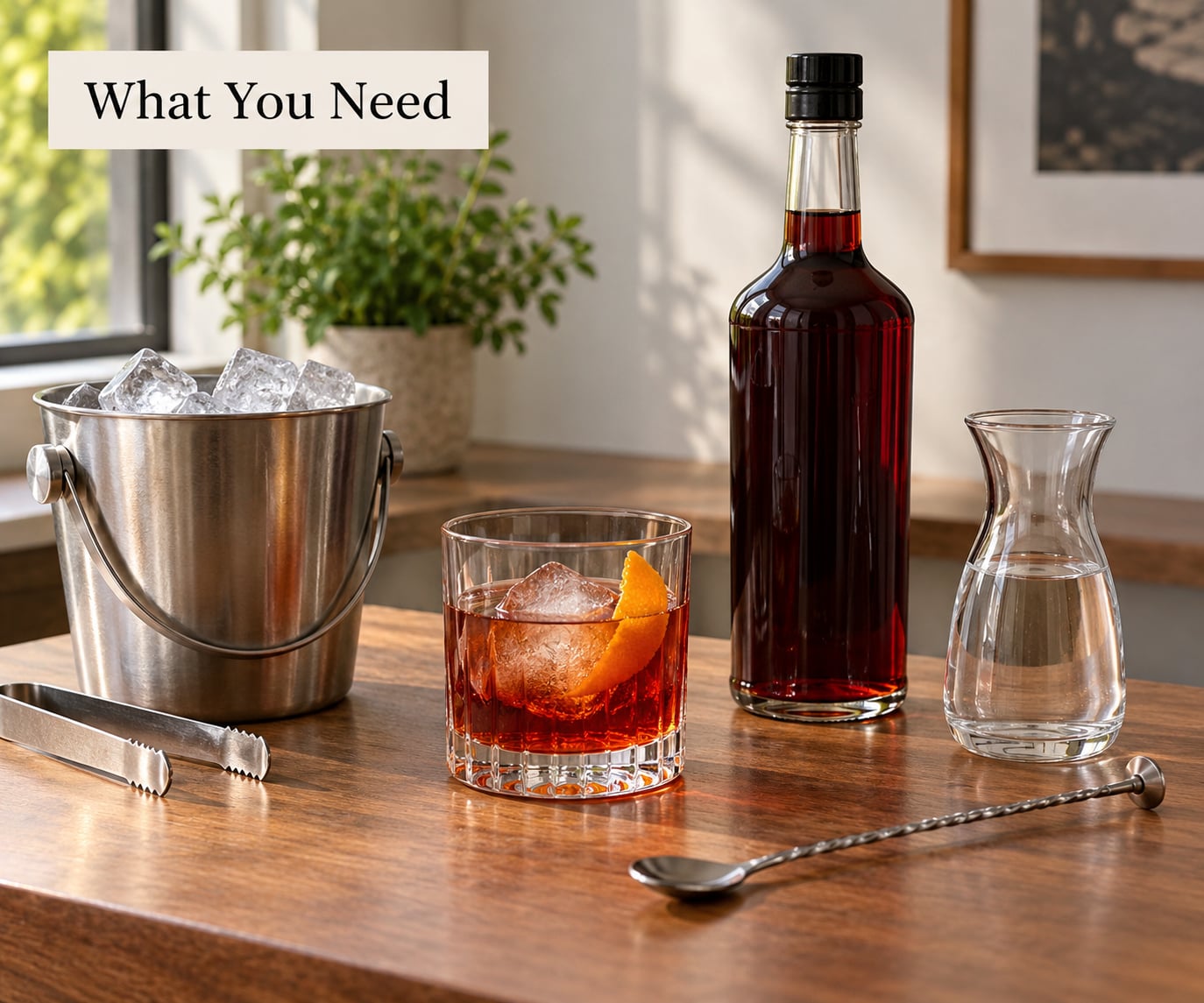
The list is short, and most of it you already own.
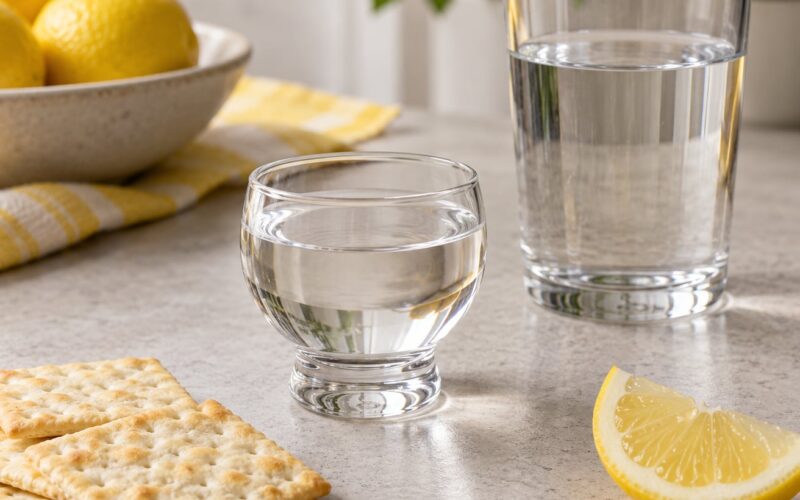
- A small glass. A rocks glass, a cordial glass, or a small wine glass all work. Size matters more than style: anything under 90 ml keeps the pour concentrated and stops you from accidentally drinking a double.
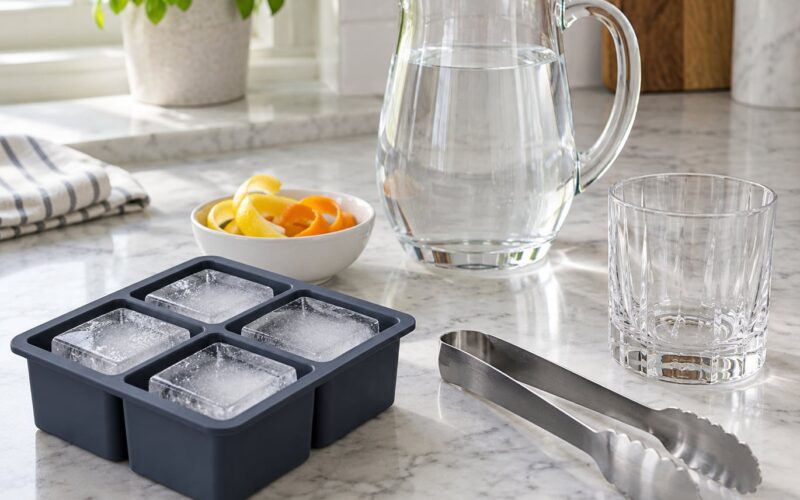
- Good ice. Two or three large cubes melt slowly and dilute less than a glass full of small cubes. If you only have tray ice, use less of it and add more later.
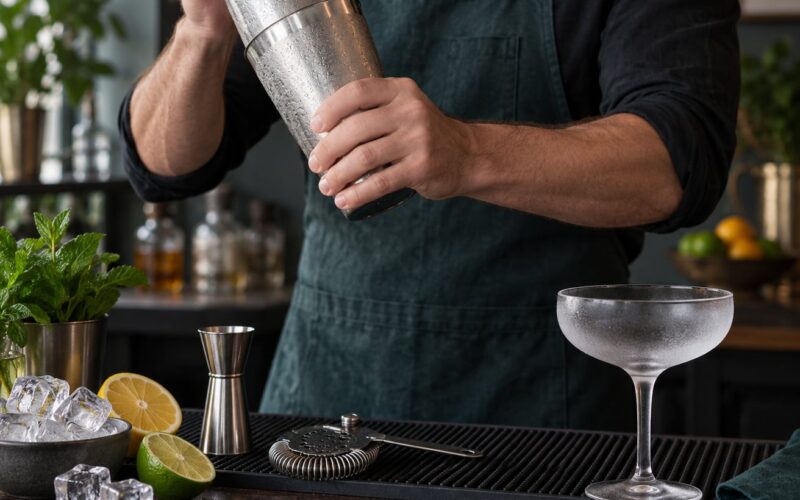
- A bar spoon or any long spoon. For stirring and for lifting a peel of aroma out of the glass.
- Still and sparkling water. Sparkling water lengthens a drink and lifts the aromatics. Still water is the gentler option when you want to soften bitterness without adding bubbles.
- A citrus peeler or knife. Lemon and orange peel are the classic partners to bitter liqueur. Expressing the peel over the surface puts oil on the surface where your nose can find it.
- Something small to eat. A few squares of dark chocolate, a few salted crackers, or a slice of aged cheese. This isn’t optional if the bitterness feels aggressive — fat and sugar are the fastest way to calm it.
No jigger, no muddler, no syrups. If a recipe calls for those, this is not the guide for you yet.
Step-by-Step: How to Drink Amaro and Bitter Liqueurs
Choose the right serving style
Start with a 45 ml pour, which is a bit under two ounces. That’s the single biggest change most beginners need: a standard 60 ml double of something bitter is twice the flavour load in a glass sized for a single.
From there, pick a style and watch what it does.
- Neat. Best served slightly cool rather than fridge-cold. Warm amaro tastes herbal and medicinal; cold amaro tastes sharper and cleaner. Straight from the fridge is fine for a first try of a lighter, citrus-forward bottle.
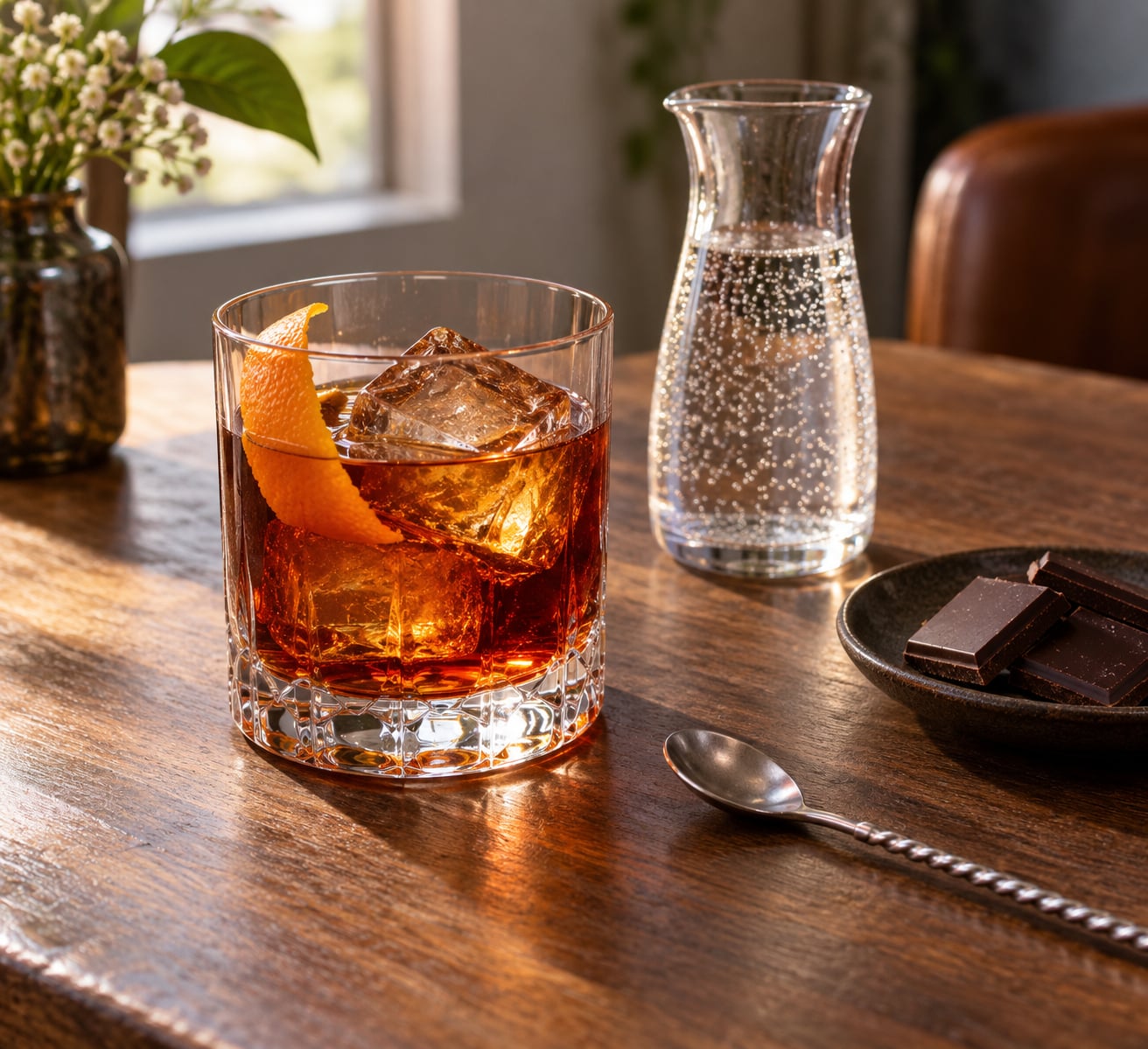
- Over ice. Ice dilutes slowly and lengthens the aroma as it melts. Two large cubes in a 45 ml pour is the classic Italian serve.
- With water. Still water cuts alcohol strength and bitterness together. Good for high-proof bottles like Fernet-Branca.
- With soda water. Adds length and a little lift without sweetness. This is the serve most first-timers actually prefer.
- With sparkling wine. The base of a spritz. Brighter and more festive, and it makes an intensely bitter bottle drinkable faster than anything else.
You’ll notice the bitterness drops as the drink dilutes, but the aroma does too. That trade is why it’s better to add liquid in stages than to dump it all in at once.
Taste it before adding anything
Taste your first pour as it comes from the bottle, undiluted. It only takes a minute and it tells you everything you need for the rest of the glass.
- Look at it. Colour predicts style. Bright orange-red usually means citrus-forward. Deep brown usually means root, herb, and caramel. Very dark and syrupy suggests a high-sugar bottle such as those made with honey.
- Smell it before you sip. Put your nose in the glass, then smell again with the glass a few inches away. You’re looking for herbs, citrus peel, licorice, menthol, cherry, or something almost like cough syrup.
- Take a small sip and hold it. Let it sit on your tongue for two or three seconds before swallowing. That pause is where bitterness lives; swallow fast and you only feel the heat.
- Name four things. Sweetness, bitterness, alcohol heat, and texture. Which of those four is loudest tells you what to do next.
If bitterness dominates and alcohol heat is low, this bottle wants ice or soda. If heat dominates, add water. If sweetness dominates, keep it cold and add a squeeze of lemon or a splash of soda. If it tastes pleasant and finishes clean, try it neat with a peel.
Dilute and balance the drink
Dilution is the fix for almost every complaint beginners have about amaro, and the mistake is doing it all at once.
Add about 15 ml of soda water, stir once, sip, and wait. Then add another 15 ml and sip again. Most bottles land somewhere between 60 ml and 90 ml total. You can keep going to 120 ml if you like, but past that you are drinking aromatic water with a memory of bitter.
Water works the same way with a different effect: it softens alcohol heat more than it softens aroma. For bottles above roughly 40 percent ABV, start with water. For bottles in the 20s, start with soda.
Two signs tell you it has gone too far. The aroma disappears, leaving only a faint sweetness at the back of the throat. Or the glass feels warm rather than cool, because the ice has melted and taken the chill with it. Either way, the fix is the same: add a fresh 15 ml pour of the bottle and a new cube.
A third option works well in a whisky glass rather than a tumbler: stir equal parts amaro and sweet or dry vermouth. The vermouth’s sugar and botanicals fill in the gaps that dilution leaves empty.
Pair it with food or make a simple drink
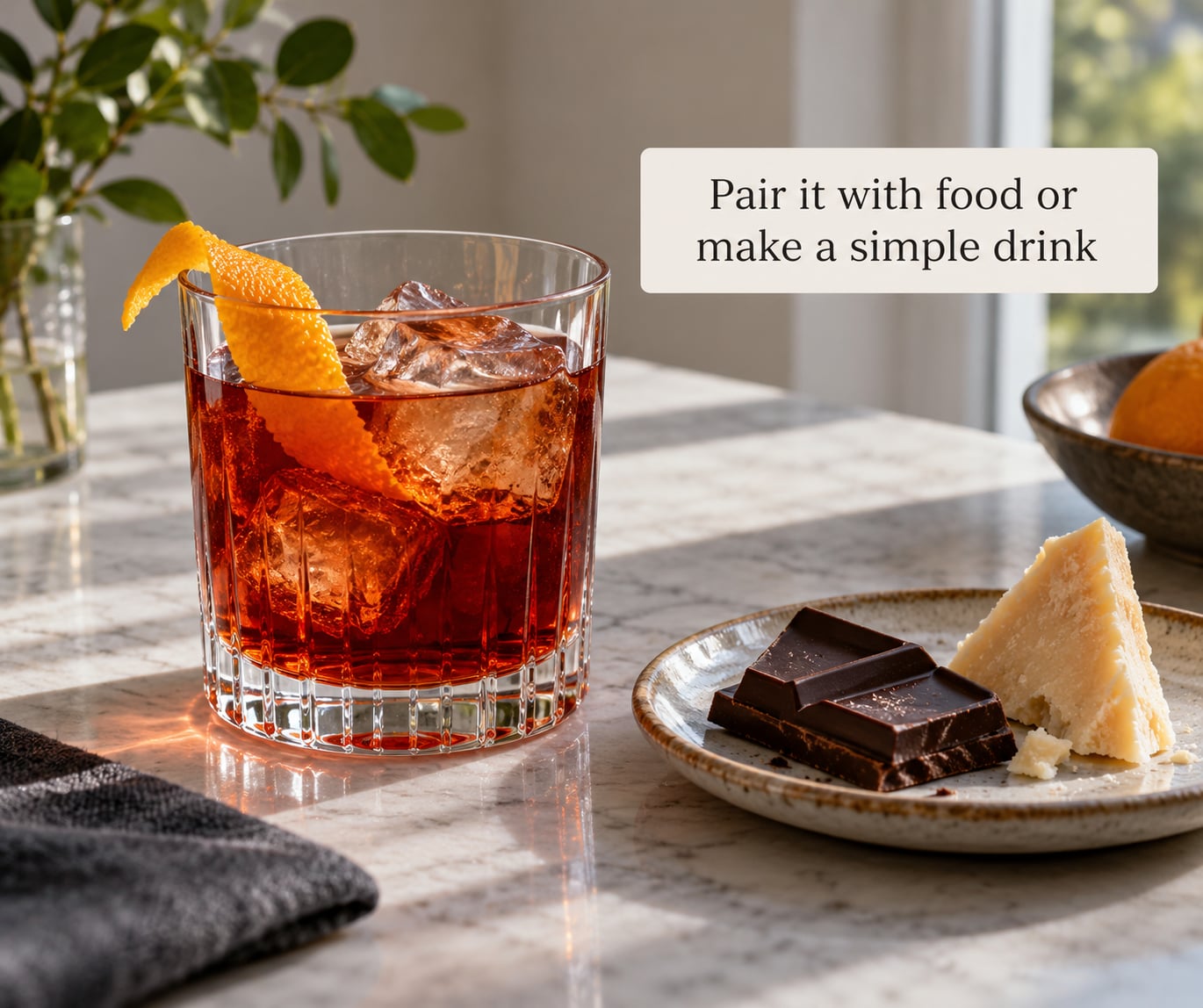
Fat and salt blunt bitterness faster than ice does. Have one of these within reach before your second sip and the whole glass changes character.
- Dark chocolate. The standard pairing. Bitters and cocoa share a roasted, woody profile, and the fat in the chocolate carries the alcohol across the palate.
- Aged cheese. A wedge of aged cheddar or something similar. Salt and fat against bitterness is the oldest combination on this list.
- Citrus peel. Grate a little lemon or orange zest directly over the surface of the drink. Citrus oils brighten a heavy root-based amaro instantly.
- Espresso or strong coffee. Italians drink amaro after coffee, not instead of it. Both are bitter, and the coffee’s roast pulls the liquorice and cherry notes forward.
- Grilled meat. A lighter, citrus-forward bottle suits smoke and char. Heavy, licorice-forward bottles drown against a steak.
When you’d rather mix it, keep the build to three ingredients or fewer.
- Amaro spritz. 45 ml amaro, 60 ml chilled sparkling wine, a splash of soda water, orange slice, ice in a large wine glass. Stir once, don’t shake.
- Americano. Equal parts amaro and sweet vermouth, topped with soda. Lower in alcohol, rounder, and the easiest mixed drink on the list.
- Soda highball. 45 ml amaro, ice, top with soda or ginger beer, stir once. Ginger beer adds spice and cuts the sweetness of a syrupy bottle.
- Old Fashioned variation. 45 ml amaro, 10 ml simple syrup, three dashes of aromatic bitters, one large cube, orange peel. Stir for twenty seconds. This is the one recipe worth learning if you own a basic bar at all.
Common Mistakes
Almost every bad first glass of amaro comes from one of six mistakes.
Serving it warm. Room-temperature amaro reads as herbal and medicinal; cool reads as clean and citrusy. If a bottle tastes flat and strange, put it in the fridge for twenty minutes before blaming the bottle.
Pouring a double. A 60 ml pour of a 25 percent ABV amaro is a strong drink in a small glass, and the bitterness scales with it. Pour 45 ml. You can always pour more.
Assuming bitterness means bad quality. Bitterness is the point of the category, and it varies by style. A bitter amaro that finishes clean and long is doing its job; a harsh one that leaves no flavour behind is a different problem, and dilution or a better-suited bottle is the answer.
Adding all the mixer at once. Pouring 90 ml of soda into an undiluted amaro in one go kills the aroma and leaves a flat, warm drink. Add it in 15 ml stages and taste between each.
Judging on the first sip. The first sip is the loudest one because your palate hasn’t adjusted and the alcohol is at full strength. Give a glass four or five sips before deciding.
Trying a high-proof Fernet-style bottle first. Fernet-Branca and its relatives sit far above 40 percent ABV and read as medicine to almost everyone. Start with a bottle in the 16 to 25 percent range and come back to the hard ones later.
Tips for Trying Different Amaro and Bitter Liqueurs
There are hundreds of amari and no correct order. The one that works is a ladder from gentle to intense, and the rule that keeps it fun is to change only one variable at a time — same glass, same temperature, same pour size, one new bottle.
| Amaro | Approx. ABV | What it tastes like | Good first step if |
|---|---|---|---|
| Liquore di Limoncello | about 27% | Sweet lemon zest, almost no bitterness | You think you dislike bitter flavour entirely |
| Amaro Montenegro | about 16% | Soft, sweet, orange peel and vanilla | You want a gentle first bottle |
| Aperol | about 11% | Orange, light bitterness, very sweet | You want something spritz-shaped |
| Amaretto | about 20-28% | Almond, cherry, very little bitterness | You want to see where amaretto and amaro split |
| Averna | about 21% | Licorice, caramel, salted-herb sweetness | You want roundness with a bitter edge |
| Amaro Nonino | about 25% | Dark, resinous, gentian-root bitterness | You have handled lighter bottles |
| Campari | about 20-25% | Sharply bitter, orange, quite dry | You like bitterness but not herbal weight |
| Cynar | about 16-25% | Artichoke, green and earthy, savoury | You enjoy coffee and olive oil |
| Fernet-Branca | about 45% | Mint, menthol, high-proof, polarizing | You have a bottle you want to finish |
Treat those percentages as approximate. Producers adjust recipes, and a bottle bought years ago may differ from the current version on the shelf.
A few habits make tasting easier. Keep a plain glass and a bottle of soda within reach, and taste each bottle at the same 45 ml pour. Finish a whole glass before moving on, because bitterness builds in the back of the palate and a series of half-sips teaches you nothing. And write down one word per bottle — cherry, licorice, mint, artichoke — because you will not remember by the fourth bottle.
It is entirely normal to hate your first glass of a Fernet-style amaro. It is also normal to love one six months later, once you know which bottle and which serve you actually like.
Frequently Asked Questions
Can you drink amaro neat?
Yes. Amaro is sold to be drunk neat more often than most beginners expect, and Italians traditionally drink it straight as a digestif after a meal. Pour about 45 ml into a small glass at cool room temperature, taste it slowly, and add ice or a splash of water or soda if the bitterness is more than you want. A peel of orange over the surface makes a big difference.
Should amaro be served cold or at room temperature?
Cool, not cold and not warm. Straight from a warm room, amaro reads as herbal and medicinal; a short spell in the fridge sharpens the citrus and cleans up the finish. If a bottle tastes flat or odd to you, chill it for twenty minutes before deciding you dislike it. Over ice is the standard serve for most bottles.
What glass is best for bitter liqueur?
A small rocks glass, cordial glass, or short wine glass, with 45 ml in it. Size matters more than style, because a small glass stops you drinking a double without noticing. For spritzes and diluted serves, use a large wine glass filled with ice so there is room for the build and some stirring.
Is amaro supposed to taste very bitter?
Yes, and how bitter depends on style. A citrus-forward bottle like Aperol tastes lightly bitter; Nonino and Fernet-style bottles are meant to be seriously bitter. Bitterness on its own is not a fault. What matters is whether the glass finishes clean with some flavour behind it. If it just burns and disappears, add ice, soda, or water and try again.
What can I mix with amaro or another bitter liqueur?
Soda water is the easiest and safest, then sparkling wine for a spritz, sweet or dry vermouth for an Americano, and ginger beer for a spiced highball. With a base spirit, an Old Fashioned variation of amaro, syrup, bitters and orange peel is about as far as you need to go. Every one of these uses two or three ingredients beyond the bottle.
What food pairs well with bitter liqueur?
Dark chocolate is the classic match, and a wedge of aged cheese is just as good. Coffee is the traditional Italian companion, served alongside rather than instead of the espresso. Citrus zest grated over the drink helps too, and a lighter citrus-forward bottle works well with grilled meat. Have something salty or fatty ready before your second sip and the bitterness softens noticeably.
Conclusion
Pour 45 ml, taste it neat at cool room temperature, then add ice or 15 ml of soda water and taste again. Repeat until the bitterness sits where you want it. That single loop, run with a gentler bottle first, teaches you more than any amount of reading about it.
That is really all there is to how to drink amaro and bitter liqueurs: start gentle, taste before you dilute, add liquid in stages, and keep one word per bottle. From there, walk up the taste ladder one bottle at a time. Most people find their favourite amaro in the third or fourth try, and it is rarely the one they started with.