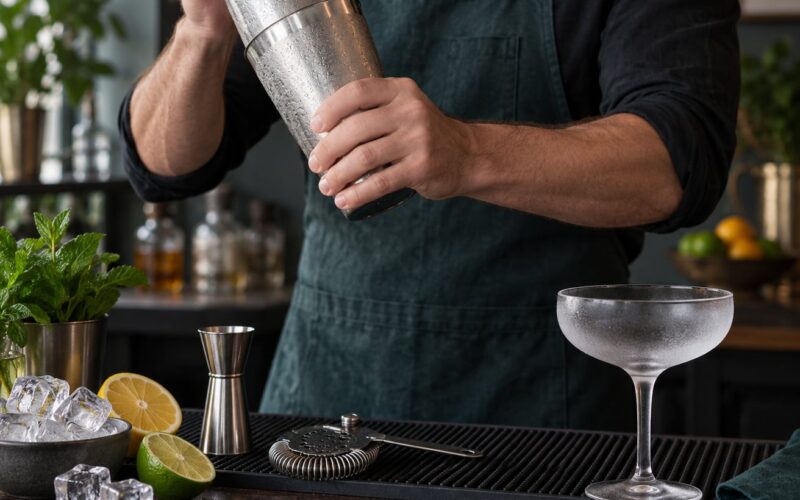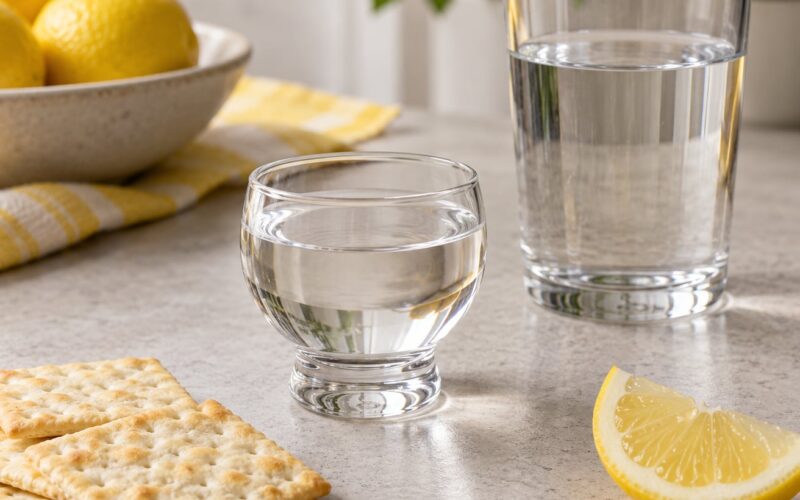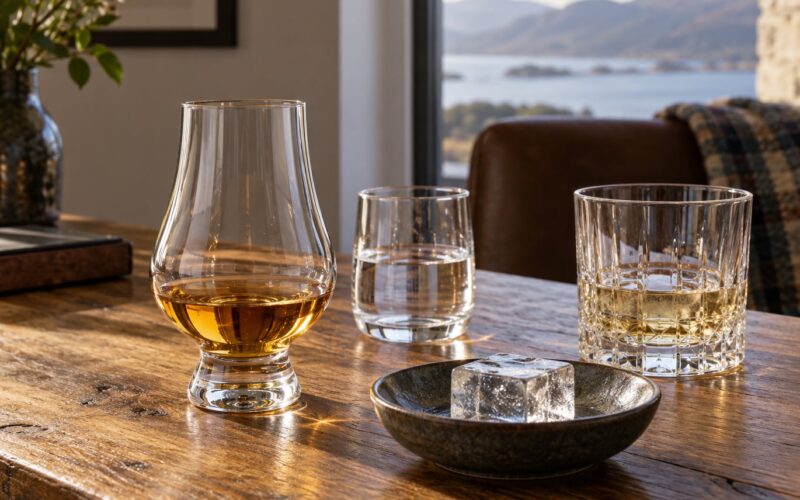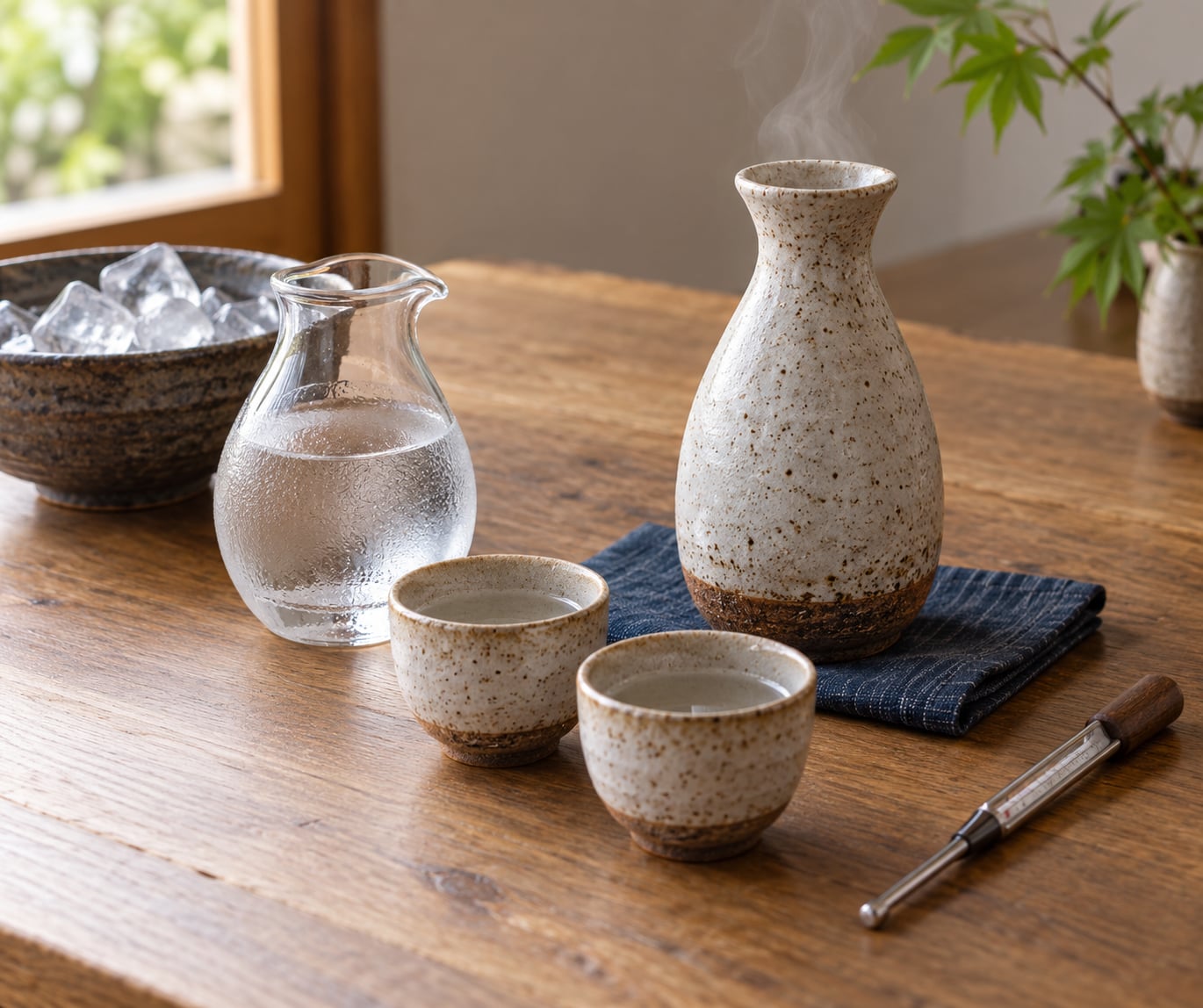
Most sake is at its best chilled, roughly 5 to 10°C (41 to 50°F), and the delicate styles like ginjo and daiginjo lose their floral aroma the moment they get hot. Fuller-bodied junmai, honjozo, genshu and aged koshu work warm, around 40 to 50°C (104 to 122°F), where the alcohol softens and the savory depth comes forward. Neither way is wrong — the answer depends on the bottle, and it takes about a minute of experimentation to find out which temperature suits yours.
I’ve found the whole question collapses once you stop treating it as a rule. If you have never worked out how to drink sake warm or cold with any confidence, serving it at the wrong temperature is the most common reason people decide they don’t like it — usually because of a glass of house sake handed to them steaming in January.
Table of Contents
- What You Need
- Step-by-Step: How to Drink Sake Warm or Cold
- Step 1: Choose the Sake
- Step 2: Serve It Cold
- Step 3: Serve It Warm
- Step 4: Taste and Adjust
- Common Mistakes
- Frequently Asked Questions
- Should sake be drunk warm or cold?
- Can you heat sake in a microwave?
- What temperature is best for serving sake?
- What type of sake is traditionally served warm?
- How much sake should you pour into each cup?
- Does warm sake taste better than cold sake?
- Conclusion
What You Need
You need a bottle of sake and a way to control its temperature. Everything else is helpful but optional.
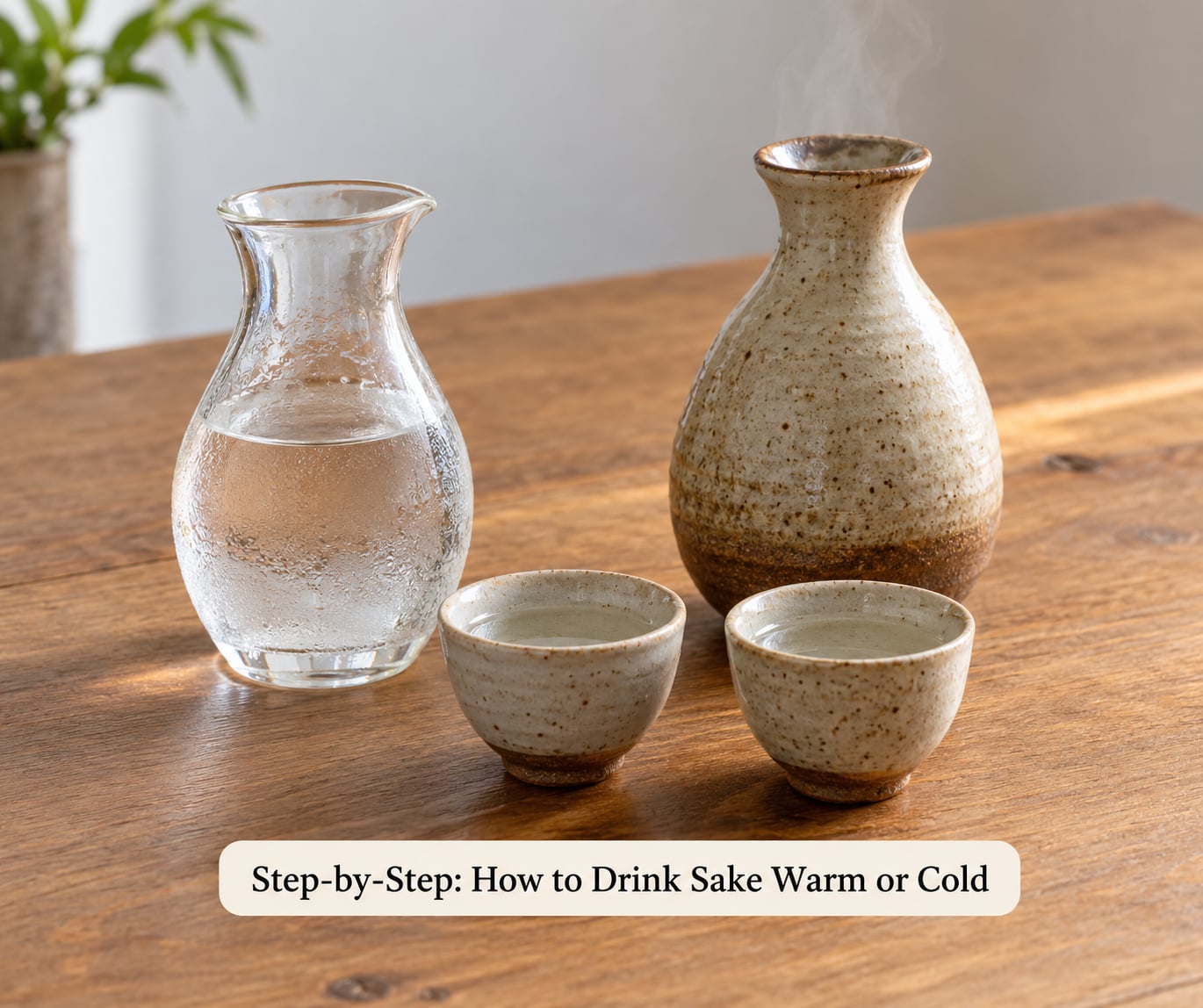
- Small cups. Ochoko (also written choko) if you’re serving Japanese style, or a small white wine glass for premium chilled sake. A shot glass is fine in a pinch.
- A pouring vessel. A tokkuri for warm sake, a small glass pitcher for cold. A mason jar or a heat-proof glass bottle works perfectly well in place of a tokkuri.
- A thermometer. This is the one tool that genuinely changes the outcome. It’s how you learn that “warm” and “scalding” are very different temperatures.
- Ice and a small saucepan for chilling and warming. A bowl of ice water chills faster than the fridge.
If you also want something to eat alongside, keep the pairing light for chilled sake and richer for warm. Sashimi, edamame and cucumber for cold; grilled fish, roast chicken, simmered dishes and fried food for warm.
Step-by-Step: How to Drink Sake Warm or Cold
Step 1: Choose the Sake
The style name on the bottle does most of the work for you. Light, aromatic styles want cold; fuller, savory styles handle heat well.
For a first bottle, reach for something forgiving. A plain junmai or a honjozo is the easiest place to start, because you can serve it either way and compare. Nigori, the cloudy unfiltered style, is sweet and creamy and works cold. Sparkling sake is cold-only and needs no thought at all.
| Sake style | Best serving temperature | Why |
|---|---|---|
| Sparkling, nigori, daiginjo | 5–10°C (41–50°F), chilled | Carbonation and fine aromatics fade fast with heat |
| Ginjo, junmai ginjo | 10–15°C (50–59°F), cool | Floral and fruit notes stay crisp near white wine temperature |
| Junmai, honjozo | 20–40°C (68–104°F) | Balanced: works cold, cleaner warm |
| Genshu, koshu (aged) | 40–50°C (104–122°F), warm | Heat softens the alcohol bite and lifts mature, nutty depth |
| Anything, as a mistake | Above 55°C (131°F) | Alcohol volatilizes, aromatics burn off, taste turns sharp and solvent-like |
Sake typically runs 13 to 16% alcohol by volume, which puts it between wine and spirits. Sweetness is a small part of the picture; acidity, rice polish ratio and how the bottle was made matter far more to how it feels at the table.
Step 2: Serve It Cold
Chill the bottle for 20 to 30 minutes in the fridge, or 15 minutes in a bowl of ice water. Ice water is faster because the liquid contacts ice on every surface at once.
Pour about 50ml — roughly a third of a 150ml pour — into each cup, and hold the bottle so the label faces your guest. That last part isn’t fussiness; it’s how you avoid pouring dregs from the bottom of the bottle into the last cup.
Cold sake should smell like green apple, melon, fresh bread or white flowers, with alcohol that sits low rather than sharp. If it tastes flat or sour, it was probably too warm when you poured it.
Keep the rest cold between servings. Stand the bottle in ice, or leave it in the fridge and bring out a second pour’s worth. Don’t leave a chilled bottle sitting on a warm counter for an hour — that’s how you end up drinking lukewarm sake that’s worse than either temperature.
Step 3: Serve It Warm
Never boil sake. It’s the one rule nobody argues with, and the reason is chemical: ethanol boils well below water, so a simmering bottle strips the alcohol and leaves you with a harsh, thin, nail-polish-remover taste. Aim for 40 to 50°C and no higher.
Water bath (the reliable method). Put the sake in a heat-proof vessel — tokkuri, mason jar, small saucepan or a glass bottle that’s rated for heat. Set that vessel in a pan of water, bring the water to a gentle simmer, and heat the sake indirectly. It takes 3 to 5 minutes. Stir or rotate the vessel once halfway through so the heat spreads evenly.
Microwave method. Yes, you can, but in short bursts. Warm sake in 30-second bursts on medium power, stirring between each burst, and check the temperature. A 180ml pour usually needs two or three bursts. Stirring is the part people skip, and it’s what prevents hot spots near the wall that taste scorched even when the middle is fine.
Stovetop method. A small saucepan over the lowest heat works, and it’s the fastest option for a full bottle. Keep the spoon in and move it constantly, keep the heat low, and pull it off before you think it’s ready — carryover heat will take it further.
Once warm, pour small amounts. Warm sake cools quickly in a cup, so top up in small pours rather than filling one big glass and letting it sit.
Step 4: Taste and Adjust
Pour the same sake at two temperatures and compare. That’s the fastest way to find your own preference and to understand what temperature actually does to a bottle.
Take a junmai at 8°C, then warm the rest to 45°C. Cold, the acidity is up front and the aroma is green and tight. Warm, the alcohol reads as warmth in the chest rather than sharpness on the tongue, the rice and grain notes open up, and the finish gets rounder and longer. Same liquid, noticeably different drink.
Then add food and taste again. Warm sake with rich food is a different match than warm sake on its own, and a bottle you found flat at 8°C may click at 45°C once it’s next to grilled fish.
Common Mistakes
Boiling the sake. Any simmering, microwaving to steaming or leaving it on a warmer until it bubbles produces alcohol-stripped, acrid sake that nobody wants. Use a thermometer and stay under 55°C (131°F).
Washing the flavor out of a premium bottle. Daiginjo and ginjo are polished rice, aromatic and fragile — heating strips exactly the compounds that make them worth buying. Serve those cold, full stop.
Serving cold sake in oversized glasses. Big bowls and tumblers warm to room temperature in your hand, and by the end of the glass you’re drinking something lukewarm. Small cups keep the temperature stable, which is the whole point.
Pouring too much at once. A full cup goes flat and warm before you finish it. Small pours, refilled as needed, keep the sake at the temperature you chose.
Assuming every sake is sweet. Sake ranges from bone-dry to dessert-sweet, and a dry junmai can be more bracing than a wine. If your first glass was sweet and warm, that combination gave the category a bad name it hasn’t earned.
Trusting a warming machine you can’t check. Restaurant and bar warming machines are a recurring complaint, because residue and old seals leave a plastic or damp-cellar note in the sake. If the flavor seems off, ask whether the machine gets cleaned out, or request the bottle warmed in a fresh vessel instead.
Pairing delicate sake with food that shouts. Heavy chili, very acidic dressing or strong garlic will flatten a chilled junmai. Save the big flavors for warm sake and genshu, which have the body to stand up to them.
Frequently Asked Questions
Should sake be drunk warm or cold?
Both are correct, and the style decides. Serve ginjo, daiginjo, nigori and sparkling sake cold at 5 to 10°C (41 to 50°F) so the aromatics stay crisp. Serve junmai, honjozo, genshu and aged koshu warm at 40 to 50°C (104 to 122°F), where the alcohol softens and savory notes open up. If you only remember one thing: never let it boil.
Can you heat sake in a microwave?
Yes, in short bursts. Use medium power in 30-second bursts, stirring between each one, and check the temperature after every burst. A 180ml pour usually takes two or three. Stirring matters because it stops hot spots near the wall from tasting scorched while the center is still cool. Stop at 45°C (113°F) and pour it into a cup right away.
What temperature is best for serving sake?
It depends on the style, and the ranges are wide enough that you will always land somewhere sensible. Chilled is 5 to 10°C (41 to 50°F), cool is 10 to 15°C (50 to 59°F), room temperature is 20 to 25°C (68 to 77°F), warm is 40 to 50°C (104 to 122°F). Above 55°C (131°F) the alcohol starts to strip out and the aroma goes flat.
What type of sake is traditionally served warm?
Junmai, honjozo, genshu and aged koshu are the traditional warm styles. They have enough body and umami to take the heat, and warming softens their alcohol bite. Cold has its own long tradition, including room temperature sake called nuru-kan and chilled sake called hiire. At a formal izakaya, a server pours for you; at home, the host refills and never tops up their own cup in front of guests.
How much sake should you pour into each cup?
Pour about 50ml into a small ochoko, roughly a third of a standard 150ml serving. Smaller cups keep the sake cool and let you taste more often, which matters most with warm sake since it cools fast. Serving a standard 750ml bottle gives four to six guests a comfortable amount. Refill in small pours rather than filling one large glass and letting it sit.
Does warm sake taste better than cold sake?
Neither is better, they just reveal different things. Chilling mutes the alcohol and sharpens the floral and fruit aromatics in premium rice. Warming lets the alcohol volatilize so it feels smoother, and brings out umami, grain and mature notes in fuller styles. The honest test is the same bottle at two temperatures. I do it with any junmai I’m unsure about, and the answer changes with the food on the table.
Conclusion
Start with one plain junmai and do the experiment properly: pour half the bottle chilled at 8°C, warm the rest to 45°C, and taste each before and after a bite of food. Once you know which side your palate prefers, the whole category opens up — and the style names stop being a guessing game.
Chill the floral bottles, warm the savory ones, keep everything under 55°C, and pour small. If a bottle seems flat, try the other temperature before you decide the sake itself is the problem.